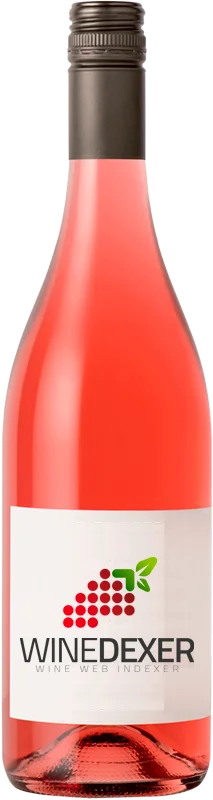
Caves PrimaveraBaira Rosé
 Pink wine


This wine generally goes well with
Details and technical informations about Caves Primavera's Baira Rosé.
Discover the grape variety: Voskeat (e)
Armenia, where it is grown both as a table grape and as a wine grape - Synonyms: voskehat, voskath, khardji, xardji (for all the synonyms of the grape varieties, click here!)
Last vintages of this wine

The best vintages of Baira Rosé from Caves Primavera are 2017, 2018, 0, 2008
Informations about the Caves Primavera
The Caves Primavera is one of of the world's great estates. It offers 80 wines for sale in the of Beiras to come and discover on site or to buy online.

The wine region of Beiras
Beiras (Beira) is a traditional administrative region in the northern half of Portugal. It is also the name of the IGP, or Indicacoes Geograficas Protegidas, wine classification (formerly known as Vinho Regional) which covers the region as a whole. A wide range of wines are made in Beiras – red wines from the region are typically Rich, deeply colored wines made from Baga, Castelão, Rufete (Tinto Pinheira), Merlot, Cabernet Sauvignon, Syrah and Touriga Nacional, and are sometimes fortified to emulate their more famous Oporto cousins. Whites are most often based on Fernão Pires and Bical, the latter being a small-berried variety with the affectionate nickname Borrado das Moscaos ('fly droppings').
The word of the wine: Performance
Quantity of grapes harvested per hectare. In AOC, the average yield is limited on the proposal of the appellation syndicate, validated by the Inao. The use of high-performance plant material (especially clones) and better control of vine diseases have increased yields. This is not without consequences on the quality of the wines (dilution) and on the state of the market (too much wine). We must not over-simplify: low yields are not synonymous with quality, and it is often in years with generous harvests that we find the greatest vintages (1982 and 1986 in Bordeaux, 1996 in Champagne, 1990 and 2005 in Burgundy...).