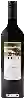
Winery Prieure Sainte Marie d'AlbasClos de Cassis Corbières
 Red wine



In the mouth this red wine is a powerful with a nice balance between acidity and tannins.
This wine generally goes well with beef, veal or pasta.

Taste structure of the Clos de Cassis Corbières from the Winery Prieure Sainte Marie d'Albas
Light | Bold | |
Smooth | Tannic | |
Dry | Sweet | |
Soft | Acidic |
In the mouth the Clos de Cassis Corbières of Winery Prieure Sainte Marie d'Albas in the region of Languedoc-Roussillon is a powerful with a nice balance between acidity and tannins.
Food and wine pairings with Clos de Cassis Corbières
Pairings that work perfectly with Clos de Cassis Corbières



Original food and wine pairings with Clos de Cassis Corbières
The Clos de Cassis Corbières of Winery Prieure Sainte Marie d'Albas matches generally quite well with dishes of beef, pasta or veal such as recipes of enchiladas franchouillards, quiche with mixed vegetables or provencal veal tendrons.
Details and technical informations about Winery Prieure Sainte Marie d'Albas's Clos de Cassis Corbières.
Discover the grape variety: Couderc noir
Simple, fruity reds with a colourful ruby robe, light tannins and unassertive aromas of red and black fruits with herbaceous, foxy notes typical of hybrid grapes. A rustic phylloxera-resistant profile. Now marginal, it survives in a few French parcels and ampelographic collections, a witness to post-phylloxera hybridisation.
Informations about the Winery Prieure Sainte Marie d'Albas
The Winery Prieure Sainte Marie d'Albas is one of of the world's greatest estates. It offers 16 wines for sale in the of Corbières to come and discover on site or to buy online.

The wine region of Corbières
Largest AOC in Languedoc, 95% Mediterranean reds. Signature old-vine Carignan (up to 60%): fleshy reds with black fruit, garrigue, black olive, spice and tight tannins. Blended with round, sunny Grenache, peppery Syrah, dense Mourvèdre and supple Cinsault. A few fresh rosés and whites (Grenache Blanc, Roussanne).
The wine region of Languedoc-Roussillon
Largest single French vineyard, dominated by sunny, generous reds. Spicy Syrah, candied Grenache (ripe fruit, garrigue), structured Carignan, deep Mourvèdre, supple Cinsault. Stars: structured Corbières, Minervois, Faugères, Saint-Chinian; round Côtes-du-Roussillon. Legendary vins doux naturels: Banyuls and Maury (fortified Grenache) with notes of cocoa, fig, prune.
The word of the wine: Filling
Gentle transfer from one barrel to another to oxygenate the wine, eliminate some of the lees and reduce the carbon dioxide (fizz) that was released during the fermentations.