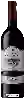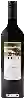
Château Prat de CestVieilles Vignes Corbières
 Red wine
This wine generally goes well with beef, veal or pasta.

Food and wine pairings with Vieilles Vignes Corbières
Pairings that work perfectly with Vieilles Vignes Corbières



Original food and wine pairings with Vieilles Vignes Corbières
The Vieilles Vignes Corbières of Château Prat de Cest matches generally quite well with dishes of beef, pasta or veal such as recipes of braciola (southern italy), vegetarian lasagna or duck breast with orange sauce.
Details and technical informations about Château Prat de Cest's Vieilles Vignes Corbières.
Discover the grape variety: Merlot khorus
Modern, coloured and structured reds with a sustained purple robe, rounded tannins, an ample palate and preserved acidity; aromas of dark fruits (blackberry, plum) close to Bordeaux Merlot. Productive and resistant. Cultivated in small quantities for sustainably managed vineyards, part of the new generation of mildew- and powdery-mildew-resistant grapes. Recent French black hybrid variety.
Informations about the Château Prat de Cest
The Château Prat de Cest is one of wineries to follow in Corbières.. It offers 7 wines for sale in the of Corbières to come and discover on site or to buy online.

The wine region of Corbières
Largest AOC in Languedoc, 95% Mediterranean reds. Signature old-vine Carignan (up to 60%): fleshy reds with black fruit, garrigue, black olive, spice and tight tannins. Blended with round, sunny Grenache, peppery Syrah, dense Mourvèdre and supple Cinsault. A few fresh rosés and whites (Grenache Blanc, Roussanne).
The wine region of Languedoc-Roussillon
Largest single French vineyard, dominated by sunny, generous reds. Spicy Syrah, candied Grenache (ripe fruit, garrigue), structured Carignan, deep Mourvèdre, supple Cinsault. Stars: structured Corbières, Minervois, Faugères, Saint-Chinian; round Côtes-du-Roussillon. Legendary vins doux naturels: Banyuls and Maury (fortified Grenache) with notes of cocoa, fig, prune.
The word of the wine: Viscosity
Consistency of wine reminiscent of the tactile sensation of sugar syrup with varying degrees of fluidity, due to the alcohol and natural sugar in the grapes present in sweet wines. In excess, this sensation can make the wine pasty and heavy. To the eye, viscosity is referred to as tears.