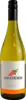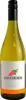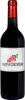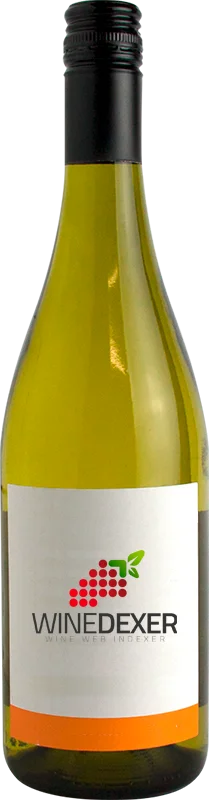
Winery PortobelloTavola Medium Sweet White
 White wine


This wine generally goes well with

Details and technical informations about Winery Portobello's Tavola Medium Sweet White.
Discover the grape variety: Aramon blanc
Simple, light whites to drink young with a pale golden robe, airy palate with low acidity, showing discrete white flower, white-fleshed fruit and neutral aromas. Productive but lightly colored, thirst-quenching profile. Now marginal, survives in a few conservatory vineyards of Hérault for its heritage value. White mutation of Aramon noir, once omnipresent in Languedoc-Roussillon supplying 19th-century table wines.
Last vintages of this wine

The best vintages of Tavola Medium Sweet White from Winery Portobello are 2008, 0, 2016
Informations about the Winery Portobello
The Winery Portobello is one of of the world's great estates. It offers 20 wines for sale in the of Vino da Tavola to come and discover on site or to buy online.

The wine region of Vino da Tavola
The freest category of Italian wine, with no grape or zone constraint. All styles: bold reds based on Bordeaux grapes (Cabernet, Merlot), atypical blends, maker's cuvées outside DOC rules. Historic cradle of the "Super Tuscans" in the 1960s-80s (Sassicaia, Tignanello, Ornellaia) before the creation of IGT in 1992. Today dedicated to everyday wines or winemaker experiments.
The word of the wine: Balthazar
Bottle with a capacity of 12 litres.