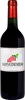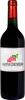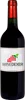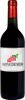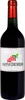
Winery Poggio LungoMorellino di Scansano Riserva
 wine
wine
This wine generally goes well with
The Morellino di Scansano Riserva of the Winery Poggio Lungo is in the top 0 of wines of Morellino di Scansano.
Details and technical informations about Winery Poggio Lungo's Morellino di Scansano Riserva.
Discover the grape variety: Muskat Oliver
Obtained in Hungary in 1930 by Pal Kocsis by crossing the pozsonyi fehér (pressburger or white presbourg) and the pearl of Csaba. This double-ended variety is found in Hungary, Ukraine, Russia, the Slovak Republic (small Carpathians), the Czech Republic (Moravia), etc. It is virtually unknown in France.
Informations about the Winery Poggio Lungo
The Winery Poggio Lungo is one of of the world's greatest estates. It offers 5 wines for sale in the of Morellino di Scansano to come and discover on site or to buy online.

The wine region of Morellino di Scansano
The wine region of Morellino di Scansano is located in the region of Toscane of Italy. Wineries and vineyards like the Domaine Villa Acquaviva or the Domaine Alberese produce mainly wines red and white. The most planted grape varieties in the region of Morellino di Scansano are Sangiovese, Merlot and Cabernet-Sauvignon, they are then used in wines in blends or as a single variety. On the nose of Morellino di Scansano often reveals types of flavors of cherry, rosemary or spices and sometimes also flavors of ripe blackberries, black fruit or floral.
The wine region of Tuscany
Tuscany is one of the most famous and prolific wine regions in Europe. It is best known for its Dry red wines made from Sangiovese grapes, which dominate production. These include Chianti, Brunello di Montalcino and Vino Nobile di Montepulciano. The region's Vin Santo is also highly prized, as are its passito dessert wines, though these are produced in comparatively tiny quantities.
The word of the wine: Deposit
Solid particles that can naturally coat the bottom of a bottle of wine. It is rather a guarantee that the wine has not been mistreated: in fact, to avoid the natural deposit, rather violent processes of filtration or cold passage (- 7 or - 8 °C) are used in order to precipitate the tartar (the small white crystals that some people confuse with crystallized sugar: just taste to dissuade you from it)