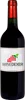
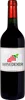
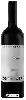
Winery Podere i SabbioniRibona Colli Maceratesi Maceratino
 wine
wine
This wine generally goes well with
The Ribona Colli Maceratesi Maceratino of the Winery Podere i Sabbioni is in the top 0 of wines of Colli Maceratesi.
Details and technical informations about Winery Podere i Sabbioni's Ribona Colli Maceratesi Maceratino.
Discover the grape variety: Molinara
Its origin is not very precise, it has been cultivated for a very long time in northern Italy, ... in France it is almost unknown. It should not be confused with the Spanish variety molinera gorda.
Last vintages of this wine


The best vintages of Ribona Colli Maceratesi Maceratino from Winery Podere i Sabbioni are 0
Informations about the Winery Podere i Sabbioni
The Winery Podere i Sabbioni is one of of the world's greatest estates. It offers 3 wines for sale in the of Colli Maceratesi to come and discover on site or to buy online.

The wine region of Colli Maceratesi
The wine region of Colli Maceratesi is located in the region of Marches of Italy. Wineries and vineyards like the Domaine Il Pollenza or the Domaine Saputi produce mainly wines white, red and sparkling. The most planted grape varieties in the region of Colli Maceratesi are Sangiovese, Merlot and Cabernet-Sauvignon, they are then used in wines in blends or as a single variety. On the nose of Colli Maceratesi often reveals types of flavors of earth, microbio or tree fruit and sometimes also flavors of spices, citrus fruit or tropical fruit.
The wine region of Marche
Marche (or Le Marche; pronounced Mar-kay) is a region in eastern CentralItaly. It is most associated with white wines made from Trebbiano and Verdicchio grapes. Marche occupies a roughly triangular area. Its longer sides are formed by the Apennine Mountains to the west and the Adriatic Sea to the east.
The word of the wine: Aromatic
Character of a wine that is particularly expressive and rich in aromas. Some grape varieties, such as Gewurztraminer or Muscat, produce very aromatic wines.