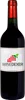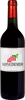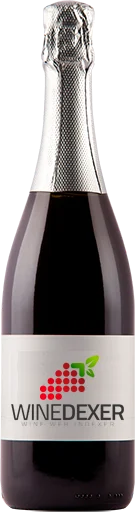
Play Estate WineryAdmit One Orchestra Reserved Seat Moscato Frizzante
 Sparkling wine
This wine generally goes well with
Details and technical informations about Play Estate Winery's Admit One Orchestra Reserved Seat Moscato Frizzante.
Discover the grape variety: Sauvignon
Sauvignon Gris is a grape variety that originated in France (South-West). It produces a variety of grape specially used for wine making. It is rare to find this grape to eat on our tables. This variety of grape is characterized by small bunches and small grapes. Sauvignon Gris can be found in many vineyards: South West, Languedoc & Roussillon, Cognac, Bordeaux, Loire Valley, Burgundy, Jura, Beaujolais, Armagnac, Provence & Corsica, Rhone Valley, Savoie & Bugey.
Informations about the Play Estate Winery
The Play Estate Winery is one of of the world's greatest estates. It offers 18 wines for sale in the of Okanagan Valley to come and discover on site or to buy online.

The wine region of Okanagan Valley
The Okanagan Valley is one of six Designated Viticultural Areas in the Canadian province of British Columbia. The DryClimate in this "pocket desert" produces some unique wines made from Merlot, Cabernet Sauvignon, Riesling, Pinot Noir, Pinot Blanc, Pinot Gris and Chardonnay. There is now an almost even split between white and red grapes planted, with Merlot the most common variety. Ice wine can be produced in the Okanagan Valley but the necessary temperatures are not as consistent as on the east coast, where the winters are much colder.
The wine region of British Columbia
British Columbia is Canada's westernmost province, located on the edge of the Pacific Ocean. The diversity of landscapes here – from rainy islands to desert-like valley floors – means that a wide variety of Grapes are planted here. They include Chardonnay, Pinot Noir and Riesling, as well as Cabernet Sauvignon and Merlot. While volumes are lower than those of the province of Ontario, British Columbia is home to a rapidly growing wine industry.
The word of the wine: Deposit
Solid particles that can naturally coat the bottom of a bottle of wine. It is rather a guarantee that the wine has not been mistreated: in fact, to avoid the natural deposit, rather violent processes of filtration or cold passage (- 7 or - 8 °C) are used in order to precipitate the tartar (the small white crystals that some people confuse with crystallized sugar: just taste to dissuade you from it)