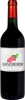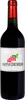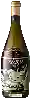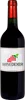
Winery Pietro Pipitone SpanoVinum San Francesco Missae Amabile
 Unknow wine


This wine generally goes well with
Details and technical informations about Winery Pietro Pipitone Spano's Vinum San Francesco Missae Amabile.
Discover the grape variety: Raboso Piave
A very old variety known and cultivated more precisely in the north-east of Italy in the Veneto region (provinces of Treviso, Padua, Venice, etc.), not to be confused with Raboso Veronese, which is the result of an intraspecific cross between Raboso Piave and Marzemina Bianca. Raboso Piave is practically unknown in other wine-producing countries.
Last vintages of this wine
The best vintages of Vinum San Francesco Missae Amabile from Winery Pietro Pipitone Spano are 0
Informations about the Winery Pietro Pipitone Spano
The Winery Pietro Pipitone Spano is one of of the world's greatest estates. It offers 3 wines for sale in the of Sicilia to come and discover on site or to buy online.

The wine region of Sicilia
The wine region of Sicilia is located in the region of Sicile of Italy. We currently count 825 estates and châteaux in the of Sicilia, producing 1804 different wines in conventional, organic and biodynamic agriculture. The wines of Sicilia go well with generally quite well with dishes .
The wine region of Sicily
Sicily is the Southernmost region of Italy, and the largest island in the Mediterranean Sea. For over 2500 years, Sicily (Sicilia in Italian) has been an important centre of Mediterranean viticulture, although the reputation and style of its wines have changed considerably over time. The island was once best known for its Sweet muscatels (see Pantelleria), and later for its fortified Marsala. Today, many of its best-known wines are Dry table wines produced under the regional designation IGT Terre Siciliane, or Sicilia DOC (see below).
The word of the wine: Muscat blanc à petits grains
A white grape variety cultivated since antiquity on the shores of the Mediterranean, it is considered the noblest of the muscats. It is mainly used to make sweet wines, often from mutage. In France, it is the sole variety used in many natural sweet wines: muscat-de-frontignan, muscat-de-mireval, muscat-de-lunel, muscat-de-saint-jean-de-minervois, muscat-de-beaumes-de-venise, muscat-du-cap-corse. Combined with Muscat d'Alexandrie, it gives Muscat-de-Rivesaltes. It is also used to make sparkling white wines (clairette-de-die; moscato d'asti and asti spumante in Italy) and dry wines (alsace-muscat). Powerfully aromatic and complex, its wines evoke fresh grapes, roses, exotic fruits, citrus fruits and spices.