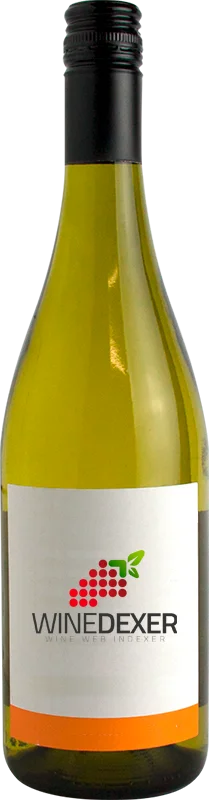
Domaine Philippe TessierCour-Cheverny Moelleux
 Sweet wine


This wine generally goes well with
Wine flavors and olphactive analysis

Details and technical informations about Domaine Philippe Tessier's Cour-Cheverny Moelleux.
Discover the grape variety: Romorantin
Dry, vivid and structured whites with a golden robe, taut mouthfeel and sharp acidity, with aromas of citrus (lemon, grapefruit), apple, pear, white flowers, honey and pronounced chalky mineral notes. Good ageing potential, gaining wax and dried fruit notes with age. Near-exclusive star of Cour-Cheverny AOC in the Sologne. Very rare autochthonous Loire variety, introduced to the Loire valley by François I in 1519 according to tradition.
Last vintages of this wine
The best vintages of Cour-Cheverny Moelleux from Domaine Philippe Tessier are 2015
Informations about the Domaine Philippe Tessier
The Domaine Philippe Tessier is one of of the world's great estates. It offers 20 wines for sale in the of Cour-Cheverny to come and discover on site or to buy online.

The wine region of Cour-Cheverny
Single-varietal AOC in the Loire (1993, 70 ha across 11 communes in Loir-et-Cher) dedicated exclusively to Romorantin, introduced by François I in 1519 and grown nowhere else. 95% dry whites, 5% rare sweet wines. Pale yellow in youth turning gold, nose of white flowers, citrus, honey and quince. Vivid mineral palate with iodine character, lemony length and taut finish.
The wine region of Loire Valley
Kingdom of lively, dry whites and fine sparklers. Mineral, taut Sauvignon Blanc (Sancerre, Pouilly-Fumé) with citrus and gunflint notes. Multiform Chenin Blanc (Vouvray, Savennières, Layon): straight dry, floral off-dry or noble sweet honey-quince. Saline, iodised Muscadet (Melon B.
The word of the wine: Muscat blanc à petits grains
A white grape variety cultivated since antiquity on the shores of the Mediterranean, it is considered the noblest of the muscats. It is mainly used to make sweet wines, often from mutage. In France, it is the sole variety used in many natural sweet wines: muscat-de-frontignan, muscat-de-mireval, muscat-de-lunel, muscat-de-saint-jean-de-minervois, muscat-de-beaumes-de-venise, muscat-du-cap-corse. Combined with Muscat d'Alexandrie, it gives Muscat-de-Rivesaltes. It is also used to make sparkling white wines (clairette-de-die; moscato d'asti and asti spumante in Italy) and dry wines (alsace-muscat). Powerfully aromatic and complex, its wines evoke fresh grapes, roses, exotic fruits, citrus fruits and spices.