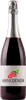
Winery Philippe GametRosé de Saignée Champagne
 Sparkling wine
This wine generally goes well with pork, rich fish (salmon, tuna etc) or shellfish.
Food and wine pairings with Rosé de Saignée Champagne
Pairings that work perfectly with Rosé de Saignée Champagne



Original food and wine pairings with Rosé de Saignée Champagne

The Rosé de Saignée Champagne of Winery Philippe Gamet matches generally quite well with dishes of pork, rich fish (salmon, tuna etc) or shellfish such as recipes of new york hot dog, smoked salmon burger - chive cream or monkfish in foil.
Details and technical informations about Winery Philippe Gamet's Rosé de Saignée Champagne.
Discover the grape variety: Plavac mali
Croatian Dalmatia more precisely. It can also be found in Greece (Macedonia), Montenegro, Italy, Bulgaria and Romania. According to genetic analyses conducted by the California University of Davis (United States), it is the result of an intraspecific cross between zinfandel (called crljenak kastelanski or pribidag in Croatia) and dobricic, another Croatian grape variety that is now somewhat endangered. - Synonyms: pagadebit veliki, sarak, zelenak (for all the synonyms of the grape varieties, click here!).
Last vintages of this wine



The best vintages of Rosé de Saignée Champagne from Winery Philippe Gamet are 0
Informations about the Winery Philippe Gamet
The Winery Philippe Gamet is one of of the world's greatest estates. It offers 19 wines for sale in the of Champagne to come and discover on site or to buy online.

The wine region of Champagne
Champagne is the name of the world's most famous Sparkling wine, the appellation under which it is sold and the French wine region from which it comes. Although it has been used to refer to sparkling wines around the world - a point of controversy and legal wrangling in recent decades - Champagne is a legally controlled and restricted name. See the labels of Champagne wines. The fame and success of Champagne is, of course, the product of many Complex factors.
The word of the wine: Ancestral method
A method of making certain sparkling wines such as blanquette de Limoux, sparkling gaillac or clairette de Die, which consists of a second fermentation in the bottle based on natural sugars and yeasts naturally brought by the grapes (unlike the méthode champenoise, which requires the addition of tirage liquor).