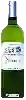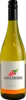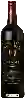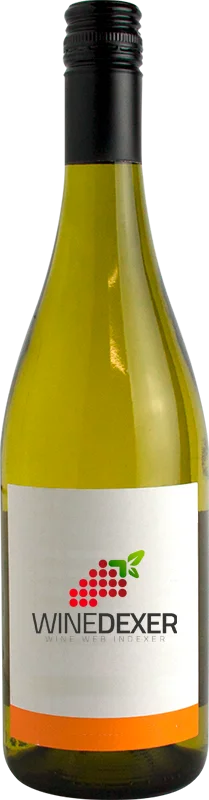
Château PeyruchetEniGmatiQ Sémillon
 White wine
In the mouth this white wine is a powerful.
This wine generally goes well with pork, vegetarian or poultry.

Taste structure of the EniGmatiQ Sémillon from the Château Peyruchet
Light | Bold | |
Dry | Sweet | |
Soft | Acidic |
In the mouth the EniGmatiQ Sémillon of Château Peyruchet in the region of Bordeaux is a powerful.
Food and wine pairings with EniGmatiQ Sémillon
Pairings that work perfectly with EniGmatiQ Sémillon



Original food and wine pairings with EniGmatiQ Sémillon


The EniGmatiQ Sémillon of Château Peyruchet matches generally quite well with dishes of pork, vegetarian or poultry such as recipes of tripe in the style of caen, zucchini quiche or chicken in sauce.
Details and technical informations about Château Peyruchet's EniGmatiQ Sémillon.
Discover the grape variety: Mavrodafni
Intense, opulent sweet fortified wines with a deep mahogany robe, dense and unctuous palate, showing signature aromas of candied black fruits (blackberry, black cherry), prune, dried fig, chocolate, spices and rancio balsamic notes. Very long finish. Undisputed star of Mavrodaphne of Patras AOC, the emblematic fortified sweet wine of the northwestern Peloponnese. Native Greek black grape grown mainly in Achaia and Kefalonia.
Informations about the Château Peyruchet
The Château Peyruchet is one of of the world's great estates. It offers 24 wines for sale in the of Bordeaux to come and discover on site or to buy online.

The wine region of Bordeaux
World-renowned age-worthy reds, led by round Merlot (plum, black fruit) or firm Cabernet Sauvignon (blackcurrant, cedar, graphite), blended with Cabernet Franc and Petit Verdot for tannic structure. Structured Médoc and Graves, velvety Saint-Émilion and Pomerol. Also crisp dry whites (Sauvignon/Sémillon) and opulent sweet Sauternes with honey and candied fruit. A 110,000 ha Gironde vineyard, 65 appellations, cradle of the 1855 classified growths.
The word of the wine: Bâtonnage
A very old technique that has come back into fashion in modern oenology, which consists of shaking the white wine in the barrels at the end of fermentation, or after fermentation, with a stick or a flail, in order to suspend the fine lees composed of yeasts at the end of their activity. This process is sometimes used for red wines.