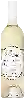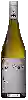
Winery PaumanokBlanc de Blancs
 wine
wine
This wine generally goes well with
The Blanc de Blancs of the Winery Paumanok is in the top 0 of wines of North Fork of Long Island.

Details and technical informations about Winery Paumanok's Blanc de Blancs.
Discover the grape variety: Cabernet-Carbon
Colored, fruity reds with a dark ruby robe, smooth tannins and a dense palate, with signature aromas of blackcurrant (Cabernet character), black fruits (blackberry), spices and peppery notes reminiscent of Cabernet Sauvignon. Modern profile for early drinking or short ageing. Grown in Germany, Switzerland and the Benelux for organic vineyards. German black hybrid created in 1983 at Geilweilerhof, disease-resistant (Cabernet Sauvignon × resistant variety).
Last vintages of this wine


The best vintages of Blanc de Blancs from Winery Paumanok are 0
Informations about the Winery Paumanok
The Winery Paumanok is one of of the world's great estates. It offers 29 wines for sale in the of North Fork of Long Island to come and discover on site or to buy online.

The wine region of North Fork of Long Island
Maritime New York AVA between Long Island Sound and the Atlantic: signature Merlot as king red - supple and fruity with notes of black cherry, plum, blackberry, leather and a fresh-herb touch, round tannins and an elegant finish (maritime Bordeaux climate). Cabernet Franc and Cabernet Sauvignon in structuring support. Fresh Chardonnay and Sauvignon Blanc in whites (citrus, apple, flowers). AVA (1986), ~2,000 ac, sandy-gravel soils from glacial moraines, ocean breezes preserving acidity.
The wine region of New York
America's 3rd wine state by volume, striking diversity. Finger Lakes the signature: cool-climate Riesling, dry to off-dry, mineral and lively with notes of lime, apple, evolving petrol and white flowers — a US benchmark. Warmer Long Island for peppery Cabernet Franc and supple Merlot. Hudson Valley (Seyval, Vidal).
The word of the wine: Suave
Said of a fine and unctuous wine.