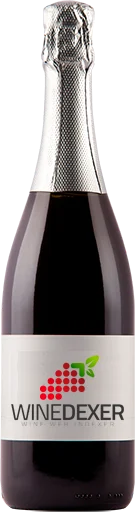
Winery PastoriCroatina Provincia di Pavia
 Sparkling wine
This wine generally goes well with
Details and technical informations about Winery Pastori's Croatina Provincia di Pavia.
Discover the grape variety: Arvine
Arvine blanc is a grape variety that originated in Switzerland. It produces a variety of grape specially used for the elaboration of wine. It is rare to find this grape to eat on our tables. This variety of vine is characterized by small bunches, and grapes of small size. The white Arvine can be found cultivated in these vineyards: Savoie & Bugey, Rhône valley, Languedoc & Roussillon, South-West.
Informations about the Winery Pastori
The Winery Pastori is one of of the world's great estates. It offers 19 wines for sale in the of Provincia di Pavia to come and discover on site or to buy online.

The wine region of Provincia di Pavia
The wine region of Provincia di Pavia is located in the region of Lombardie of Italy. We currently count 308 estates and châteaux in the of Provincia di Pavia, producing 608 different wines in conventional, organic and biodynamic agriculture. The wines of Provincia di Pavia go well with generally quite well with dishes .
The wine region of Lombardia
Lombardy is one of Italy's largest and most populous regions, located in the north-central Part of the country. It's home to a handful of popular and well-known wine styles, including the Bright, cherry-scented Valtellina and the high-quality Sparkling wines Franciacorta and Oltrepo Pavese Metodo Classico. Lombardy is Italy's industrial powerhouse, with the country's second largest city (Milan) as its regional capital. Despite this, the region has vast tracts of unspoiled countryside, home to many small wineries that produce a significant portion of the region's annual wine production of 1.
The word of the wine: Maceration
Prolonged contact and exchange between the juice and the grape solids, especially the skin. Not to be confused with the time of fermentation, which follows maceration. The juice becomes loaded with colouring matter and tannins, and acquires aromas. For a rosé, the maceration is short so that the colour does not "rise" too much. For white wines too, a "pellicular maceration" can be practised, which allows the wine to acquire more fat.