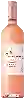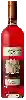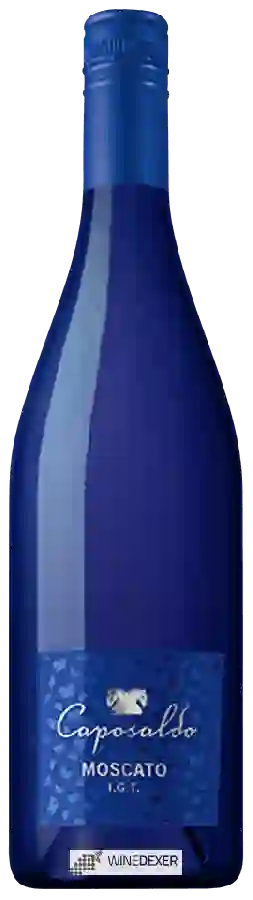
Winery CaposaldoMoscato
 Sparkling wine


This wine generally goes well with

Wine flavors and olphactive analysis


On the nose the Moscato of Winery Caposaldo in the region of Lombardia often reveals types of flavors of earth, tree fruit or tropical fruit.
Details and technical informations about Winery Caposaldo's Moscato.
Discover the grape variety: Verdiso
Crisp, taut dry whites with a pale golden colour, a lean, cutting acidity and aromas of lime, green apple, white flowers and pre-Alpine mineral notes. Also made as fresh sparkling wines (Prosecco). Often blended with Glera, it contributes to the identity of Conegliano Valdobbiadene DOCG and Prosecco DOC.
Last vintages of this wine
The best vintages of Moscato from Winery Caposaldo are 0, 2014, 2008
Informations about the Winery Caposaldo
The Winery Caposaldo is one of of the world's greatest estates. It offers 12 wines for sale in the of Provincia di Pavia to come and discover on site or to buy online.

The wine region of Provincia di Pavia
Lombard IGT complementary to neighbouring Oltrepò Pavese, an accessible expression of the Pavia terroir. Pinot Nero as flagship red: fine and fresh with notes of cherry, raspberry, undergrowth and sweet spices, supple tannins — fruity and moreish. Also lively Barbera, fleshy Croatina, supple Bonarda. Fresh Pinot Grigio, round Chardonnay, mineral Riesling, muscaty Moscato whites.
The wine region of Lombardia
Three poles. Franciacorta DOCG, Italy's answer to Champagne: elegant brioche traditional-method sparklers (Chardonnay, Pinot Noir, Pinot Blanc), fine bubble and mineral profile. Alpine Valtellina: Nebbiolo (alias Chiavennasca) with fine tannins and red fruits, powerful Sforzato passito. Oltrepò Pavese: fresh Pinot Noir and fruity-sparkling Bonarda.
The word of the wine: Paille (wine of)
A sweet wine obtained by passerillage after harvesting bunches of grapes placed on racks or hung in well-ventilated premises.