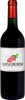
Winery Pascal DanceAlors on Dance ? Blanc
 wine
wine
This wine generally goes well with
The Alors on Dance ? Blanc of the Winery Pascal Dance is in the top 0 of wines of Villette.
Details and technical informations about Winery Pascal Dance's Alors on Dance ? Blanc.
Discover the grape variety: Merlot
Merlot noir is a grape variety that originated in France (Bordeaux). It produces a variety of grape specially used for wine making. It is rare to find this grape to eat on our tables. This variety of grape is characterized by small to medium sized bunches, and medium sized grapes. Merlot noir can be found in many vineyards: South West, Languedoc & Roussillon, Cognac, Bordeaux, Loire Valley, Armagnac, Burgundy, Jura, Champagne, Rhone Valley, Beaujolais, Provence & Corsica, Savoie & Bugey.
Informations about the Winery Pascal Dance
The Winery Pascal Dance is one of of the world's greatest estates. It offers 13 wines for sale in the of Villette to come and discover on site or to buy online.

The wine region of Villette
The wine region of Villette is located in the region of Lavaux of Vaud of Switzerland. Wineries and vineyards like the Domaine du Daley or the Domaine Mermetus - Henri et Vincent Chollet produce mainly wines white, red and pink. The most planted grape varieties in the region of Villette are Chasselas, Pinot noir and Merlot, they are then used in wines in blends or as a single variety. On the nose of Villette often reveals types of flavors of non oak, earth or microbio and sometimes also flavors of vegetal, oak or tree fruit.
The wine region of Vaud
Vaud is Switzerland's second-largest wine region, located in the French-speaking southwest. The region - which is also one of 26 cantons in the country - is best known for its crisp, white Fendant wines (the national name for the Chasselas variety) and its stunning lakeside landscapes. Both of these reach their zenith in the grand crus of Lavaux/dezaley">Dezaley and Calamin. These famous Lavaux Vineyard terraces, which rise steeply up above Lake Geneva (Lac Léman), are considered of such importance that they are now enjoy protected status as a UNESCO World Heritage Site.
The word of the wine: Presses
The juice that results from pressing the grapes after fermentation. At the end of the maceration, the vats are emptied, the first juice obtained is called the free-run wine and the marc remaining at the bottom of the vat is then pressed to give the press wine. We say more quickly "the presses". Their quality varies according to the vintage and the maceration. A too vigorous extraction releases the tannins of pips and the wine of press can then prove to be very astringent. Often the winemaker raises it separately, deciding later whether or not to incorporate it totally or partially into the grand vin.