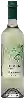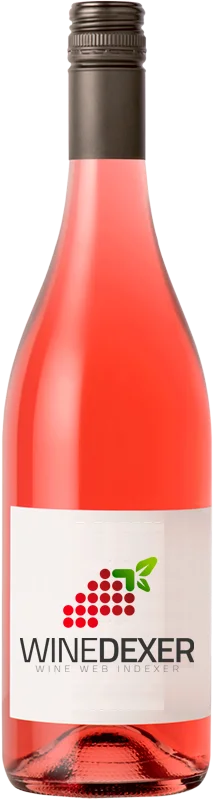
Winery OrlanaVinho Verde Rosé
 Pink wine



This wine generally goes well with

Wine flavors and olphactive analysis


On the nose the Vinho Verde Rosé of Winery Orlana in the region of Minho often reveals types of flavors of earth, microbio or tree fruit and sometimes also flavors of citrus fruit, red fruit.
Details and technical informations about Winery Orlana's Vinho Verde Rosé.
Discover the grape variety: Hibou blanc
Simple, fresh dry whites with a pale golden colour, a supple palate with moderate acidity, and understated aromas of citrus and white flowers. Rustic and discreet profile. Nearly extinct, preserved in INRAE varietal collections; testifies to the pre-phylloxera ampelographic diversity of the South-West and studied for its genetic interest. Rare French white variety, formerly grown in the South-West.
Last vintages of this wine
The best vintages of Vinho Verde Rosé from Winery Orlana are 0, 2012, 2008
Informations about the Winery Orlana
The Winery Orlana is one of of the world's greatest estates. It offers 2 wines for sale in the of Vinho Verde to come and discover on site or to buy online.

The wine region of Vinho Verde
Portuguese star of fresh, slightly sparkling white. High-end Alvarinho in Monção and Melgaço: mineral, precise whites with signature notes of lemon, white peach, flowers and a tense saline finish. Aromatic Loureiro (orange blossom, bay leaf), round Trajadura, full Avesso, lively Arinto. Light natural effervescence, low alcohol (9-11°), sharp vivacity: ideal aperitif and seafood.
The wine region of Minho
Portugal's northernmost region, heart of Atlantic Vinho Verde. Signature lively, lightly sparkling whites with signature notes of citrus, green apple, white flowers, fresh herbs and a saline touch, thirst-quenching, low-alcohol palate — the sunshine wine par excellence. High-end star Alvarinho (peach, exotic fruits, minerality), floral Loureiro (laurel), ample Trajadura, taut Arinto, structured Avesso. Vinhão as lively red.
The word of the wine: Stirring
In the traditional method, the operation aims to bring the deposits against the cork by the movement of the bottles placed on desks. The stirring can be manual or mechanical (using gyropalettes).