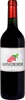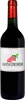
Winery Ocho VientosVanguardia Tannat Rosé
 wine
wine
This wine generally goes well with
The Vanguardia Tannat Rosé of the Winery Ocho Vientos is in the top 0 of wines of Atlàntida.
Details and technical informations about Winery Ocho Vientos's Vanguardia Tannat Rosé.
Discover the grape variety: Bekari
Informations about the Winery Ocho Vientos
The Winery Ocho Vientos is one of of the world's greatest estates. It offers 5 wines for sale in the of Atlàntida to come and discover on site or to buy online.

The wine region of Atlàntida
The wine region of Atlàntida is located in the region of Coastal Region of Uruguay. Wineries and vineyards like the Domaine Vientos or the Domaine Vientos produce mainly wines red, white and sweet. The most planted grape varieties in the region of Atlàntida are Tannat, Chardonnay and Gewurztraminer, they are then used in wines in blends or as a single variety. On the nose of Atlàntida often reveals types of flavors of tree fruit, citrus fruit or non oak and sometimes also flavors of earth, microbio or vegetal.
The wine region of Coastal Region
The wine region of Coastal Region of Uruguay. Wineries and vineyards like the Domaine Vientos or the Domaine Ambeloui produce mainly wines red, white and sparkling. The most planted grape varieties in the region of Coastal Region are Tannat, Chardonnay and Pinot noir, they are then used in wines in blends or as a single variety. On the nose of Coastal Region often reveals types of flavors of cherry, eucalyptus or dried fruit and sometimes also flavors of floral, black fruit or red fruit.
The word of the wine: Acerbe
Acidic taste with a certain astringency reminiscent of unripe fruit.