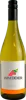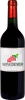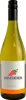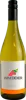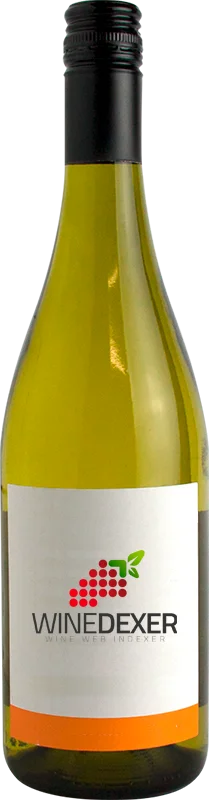
Winery Nyholmgaard VinAffabile
 White wine



This wine generally goes well with
The Affabile of the Winery Nyholmgaard Vin is in the top 10 of wines of Fyn.

Details and technical informations about Winery Nyholmgaard Vin's Affabile.
Discover the grape variety: Ruché
Aromatic and elegant medium-keeping reds with a deep ruby hue, fine tannins and an ample palate with fresh acidity, featuring intensely signature aromas of rose, violet, red fruits (cherry, raspberry) and gentle spices. A distinctly Piedmontese floral profile. Star of the Ruché di Castagnole Monferrato DOCG appellation, producing refined and identity-rich reds. Autochthonous black variety from Piedmont, grown almost exclusively around Castagnole Monferrato.
Last vintages of this wine
The best vintages of Affabile from Winery Nyholmgaard Vin are 2016, 0
Informations about the Winery Nyholmgaard Vin
The Winery Nyholmgaard Vin is one of of the world's greatest estates. It offers 9 wines for sale in the of Fyn to come and discover on site or to buy online.

The wine region of Fyn
Central Danish island (Funen), among the most northerly wine-growing zones in Europe, cool maritime climate tempered by the Kattegat. PIWI disease-resistant varieties are the signatures — Solaris and Rondo leading, Souvignier Gris, Cabernet Cortis and Léon Millot as complements. Taut whites with vibrant notes of citrus, green apple, white flowers and a saline mineral touch. Particularly successful traditional-method sparkling wines.
The word of the wine: Grand Cru
In Burgundy, the fourth and final level of classification (above the regional, communal and premier cru appellations), designating the wines produced on delimited plots of land (the climats) whose name alone constitutes the appellation. The climats classified as Grand Cru are 32 in the Côte d'Or plus one in Chablis which is divided into 7 distinct climats. Representing barely 1.5% of the production, the Grand Crus are the aristocracy of Burgundy wines.