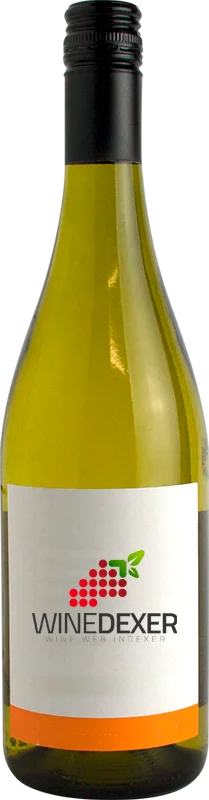
Winery Nueva CaliforniaClásico Branco Semi Seco
 White wine


This wine generally goes well with
Details and technical informations about Winery Nueva California's Clásico Branco Semi Seco.
Discover the grape variety: Brun argenté
The Brun Argenté Noir is a grape variety that originated in France (Provence). It produces a variety of grape specially used for wine making. It is rare to find this grape to eat on our tables. This variety of grape is characterized by large bunches and large grapes. The Black Silver Brown can be found in several vineyards: South West, Cognac, Bordeaux, Rhone Valley, Provence & Corsica, Languedoc & Roussillon, Loire Valley, Savoie & Bugey, Beaujolais.
Last vintages of this wine
The best vintages of Clásico Branco Semi Seco from Winery Nueva California are 2018, 0
Informations about the Winery Nueva California
The Winery Nueva California is one of of the world's greatest estates. It offers 11 wines for sale in the of Mendoza to come and discover on site or to buy online.

The wine region of Mendoza
Mendoza is by far the largest wine region in Argentina. Located on a high-altitude plateau at the edge of the Andes Mountains, the province is responsible for roughly 70 percent of the country's annual wine production. The French Grape variety Malbec has its New World home in the vineyards of Mendoza, producing red wines of great concentration and intensity. The province Lies on the western edge of Argentina, across the Andes Mountains from Chile.
The word of the wine: Gourmet
Unproductive shoot growing on the trunk of the vine.