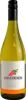
Winery NoémieLa Petite Noémie Blanc
 White wine


In the mouth this white wine is a powerful with a nice freshness.
This wine generally goes well with vegetarian, poultry or lean fish.

Taste structure of the La Petite Noémie Blanc from the Winery Noémie
Light | Bold | |
Dry | Sweet | |
Soft | Acidic |
In the mouth the La Petite Noémie Blanc of Winery Noémie in the region of Languedoc-Roussillon is a powerful with a nice freshness.
Food and wine pairings with La Petite Noémie Blanc
Pairings that work perfectly with La Petite Noémie Blanc



Original food and wine pairings with La Petite Noémie Blanc


The La Petite Noémie Blanc of Winery Noémie matches generally quite well with dishes of pasta, vegetarian or poultry such as recipes of ham and cheese macaroni gratin, vegan leek and tofu quiche or dauphine apples.
Details and technical informations about Winery Noémie's La Petite Noémie Blanc.
Discover the grape variety: Sercial
Vivid and nervy fortified whites with an amber-golden robe, taut mouthfeel and sharp acidity, with signature aromas of candied citrus, lemon, almond, green walnut, orange peel, honey and evolved oxidative notes with a characteristic bitter finish. Exceptional ageing potential (centuries). Star of the dry Madeira style, the most nervy of the four Madeira DOP styles. An autochthonous Portuguese variety of Madeira, signature of dry Madeiras.
Informations about the Winery Noémie
The Winery Noémie is one of of the world's greatest estates. It offers 6 wines for sale in the of Côtes du Roussillon Villages to come and discover on site or to buy online.

The wine region of Côtes du Roussillon Villages
Sunny cru of the Pyrénées-Orientales (above Côtes du Roussillon): signature Grenache, Syrah, Mourvèdre and Carignan as exclusive king reds - concentrated and fleshy with notes of ripe black fruits (blackberry, blackcurrant, plum), garrigue, cocoa, spices, liquorice and a mineral touch, coated tannins and a long finish (12. 5° min). Communal mentions (Tautavel, Lesquerde, Caramany, Latour). AOC (1977), schist, gneiss and limestone, hot windy Mediterranean climate.
The wine region of Languedoc-Roussillon
Largest single French vineyard, dominated by sunny, generous reds. Spicy Syrah, candied Grenache (ripe fruit, garrigue), structured Carignan, deep Mourvèdre, supple Cinsault. Stars: structured Corbières, Minervois, Faugères, Saint-Chinian; round Côtes-du-Roussillon. Legendary vins doux naturels: Banyuls and Maury (fortified Grenache) with notes of cocoa, fig, prune.
The word of the wine: Rebêche (champagne)
Must obtained in excess of the 2 550 litres authorised for a weight of 4 000 kilos of grapes. The first 2 050 litres constitute the cuvée and the next 500 litres the taille. The rebêche represents 1 to 3 % of the total volume and must be distilled or used to make ratafia.