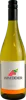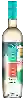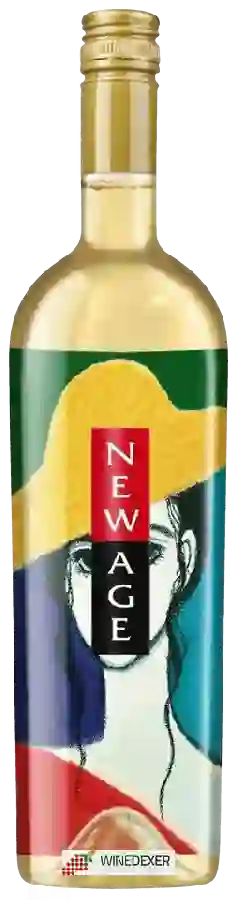
Winery New AgeBlanco
 White wine


This wine generally goes well with pork, vegetarian or rich fish (salmon, tuna etc).

Wine flavors and olphactive analysis





On the nose the Blanco of Winery New Age in the region of Mendoza often reveals types of flavors of earth, microbio or vegetal and sometimes also flavors of tree fruit, spices or citrus fruit.
Food and wine pairings with Blanco
Pairings that work perfectly with Blanco



Original food and wine pairings with Blanco



The Blanco of Winery New Age matches generally quite well with dishes of pork, rich fish (salmon, tuna etc) or shellfish such as recipes of stuffed mushrooms, salmon steaks with cream sauce or chicken and shrimp jambalaya.
Details and technical informations about Winery New Age's Blanco.
Discover the grape variety: Groppello
Supple and fruity reds with a clear ruby robe, smooth tannins and a charming palate, with signature aromas of cherry, raspberry, violet, soft spices and typical bitter notes. Also the star of the Chiaretto del Garda rosés — lively and delicate. The aromatic signature of the Lombard shore of Lake Garda, mainly in Valtènesi. Native Italian black grape from Lombardy, grown on the shores of Lake Garda.
Last vintages of this wine

The best vintages of Blanco from Winery New Age are 2008, 2017, 2015, 2010 and 0.
Informations about the Winery New Age
The Winery New Age is one of of the world's greatest estates. It offers 15 wines for sale in the of Mendoza to come and discover on site or to buy online.

The wine region of Mendoza
World capital of Malbec: powerful, deep reds with blackberry, plum, violet and sweet spice, round tannins and vivid fruit. Also firm Cabernet Sauvignon, supple, juicy Bonarda, aromatic floral white Torrontés. High-altitude vineyards (800-1,700 m) at the foot of the Andes, dry continental climate irrigated by glacial waters. ~80% of Argentine output across 150,000 ha.
The word of the wine: Right bank
In Bordeaux, it refers to the vineyards located on the right bank of the Gironde and Dordogne rivers, where the Merlot grape variety is dominant. These are the appellations of Saint-Emilion, Pomerol, Fronsac, etc.