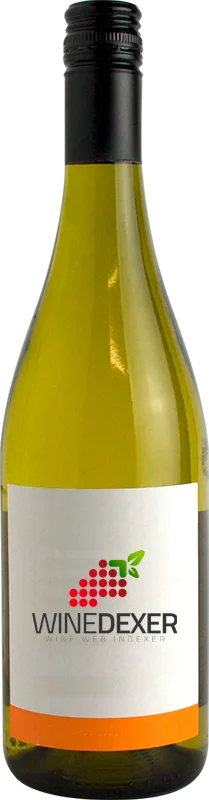
Winery Naso ContadinoWhite
 White wine


In the mouth this white wine is a powerful.
This wine generally goes well with vegetarian, appetizers and snacks or shellfish.
Taste structure of the White from the Winery Naso Contadino
Light | Bold | |
Dry | Sweet | |
Soft | Acidic |
In the mouth the White of Winery Naso Contadino in the region of Puglia is a powerful.
Food and wine pairings with White
Pairings that work perfectly with White



Original food and wine pairings with White
The White of Winery Naso Contadino matches generally quite well with dishes of shellfish, vegetarian or appetizers and snacks such as recipes of pasta with scampi, summer tuna quiche or kale chips.
Details and technical informations about Winery Naso Contadino's White.
Discover the grape variety: Picolit blanc
A very old grape variety, probably already known to the Romans, and most certainly of Italian origin, from Friuli to be precise. The Hungarian Keknyelu is said to be the same variety, but this remains to be confirmed. It is almost unknown in France and even in the wine world, perhaps because of its low production and its sensitivity to various diseases. It should be noted that it is not related to the black picolit.
Last vintages of this wine
The best vintages of White from Winery Naso Contadino are 2016, 0
Informations about the Winery Naso Contadino
The Winery Naso Contadino is one of of the world's greatest estates. It offers 2 wines for sale in the of Puglia to come and discover on site or to buy online.

The wine region of Puglia
Puglia (Apulia to many English speakers) is a Long, slender wine region in the extreme Southeast corner of Italy's "boot". To use the shoe analogy often used to illustrate the shape of Italy, Apulia extends from the tip of the heel to the mid-calf, where the spur of the Gargano Peninsula juts out into the Adriatic Sea. The heel (the Salento peninsula) occupies the southern half of the region and is of great importance for the identity of Puglia. Not only are there cultural and geographical differences from Northern Puglia, but the wines are also different.
The word of the wine: Tertiary aromas
Aromas resulting from the aging of the wine in the bottle. The aromas evolve with time, from fresh fruitiness to notes of stewed, candied or dried fruit, to aromas of venison or undergrowth.