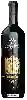
Château Moutte BlancMoisin
 Red wine


In the mouth this red wine is a powerful with a nice balance between acidity and tannins.
This wine generally goes well with poultry, beef or veal.

Taste structure of the Moisin from the Château Moutte Blanc
Light | Bold | |
Smooth | Tannic | |
Dry | Sweet | |
Soft | Acidic |
In the mouth the Moisin of Château Moutte Blanc in the region of Bordeaux is a powerful with a nice balance between acidity and tannins.
Wine flavors and olphactive analysis



On the nose the Moisin of Château Moutte Blanc in the region of Bordeaux often reveals types of flavors of earth, oak or red fruit and sometimes also flavors of black fruit.
Food and wine pairings with Moisin
Pairings that work perfectly with Moisin



Original food and wine pairings with Moisin

The Moisin of Château Moutte Blanc matches generally quite well with dishes of beef, veal or game (deer, venison) such as recipes of chili con carne, caramelized lamb mice or roast wild boar with beer.
Details and technical informations about Château Moutte Blanc's Moisin.
Discover the grape variety: Petit Verdot
Dark, full-bodied reds with tight tannins and inky colour, showing aromas of blackberry, violet, gentle spice, liquorice and mentholated balsamic notes. Contributes colour, structure and aromatic freshness to great Médoc blends (Palmer, Léoville-Las Cases) where it remains a minority. Also vinified as a single variety in Spain (La Mancha), California, Australia and Argentina. A late-ripening Bordeaux variety.
Last vintages of this wine

The best vintages of Moisin from Château Moutte Blanc are 2015, 2005, 2014, 2010 and 2013.
Informations about the Château Moutte Blanc
The Château Moutte Blanc is one of of the world's greatest estates. It offers 9 wines for sale in the of Bordeaux to come and discover on site or to buy online.

The wine region of Bordeaux
World-renowned age-worthy reds, led by round Merlot (plum, black fruit) or firm Cabernet Sauvignon (blackcurrant, cedar, graphite), blended with Cabernet Franc and Petit Verdot for tannic structure. Structured Médoc and Graves, velvety Saint-Émilion and Pomerol. Also crisp dry whites (Sauvignon/Sémillon) and opulent sweet Sauternes with honey and candied fruit. A 110,000 ha Gironde vineyard, 65 appellations, cradle of the 1855 classified growths.
The word of the wine: Serious
A Bordeaux term for small pebbles from the Pyrenees, eroded, rounded and transported by the Garonne to Aquitaine. They are mainly found on the left bank in the area.... known as the Graves, and further downstream in the Médoc. By extension, gravel is found in other regions, brought by other rivers or even glaciers.