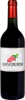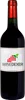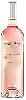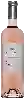
Winery Moulin de LeneZanzibar Rosé
 Pink wine
This wine is a blend of 2 varietals which are the Mourvèdre and the Vermentino.
This wine generally goes well with beef

Food and wine pairings with Zanzibar Rosé
Pairings that work perfectly with Zanzibar Rosé

Original food and wine pairings with Zanzibar Rosé
The Zanzibar Rosé of Winery Moulin de Lene matches generally quite well with dishes of beef such as recipes of beef mironton.
Details and technical informations about Winery Moulin de Lene's Zanzibar Rosé.
Discover the grape variety: Mourvèdre
Powerful, deep reds with firm tannins and dense texture, showing aromas of blackberry, leather, garrigue, black pepper, liquorice and animal notes (game, forest floor) with age. Star of Bandol AOC as a single variety and pillar of Châteauneuf-du-Pape, Gigondas and Costières blends. Also in GSM in Languedoc and Australia. A late-ripening variety of Spanish origin (Mataró/Monastrell).
Informations about the Winery Moulin de Lene
The Winery Moulin de Lene is one of of the world's great estates. It offers 29 wines for sale in the of Côtes de Thongue to come and discover on site or to buy online.

The wine region of Côtes de Thongue
Languedoc IGP from the Thongue basin (Hérault, 23 villages): Syrah, Grenache, Merlot, Cabernet, Carignan and Mourvèdre signatures in fruity reds with notes of cherry, blackberry, raspberry, liquorice, spices and a Mediterranean touch, supple tannins. Generous rosés and whites (Chardonnay, Sauvignon, Viognier, Vermentino, Muscat): fresh, floral and fruity. Very open IGP (119 authorised varieties). Varied soils (marl, clay, gravel), Mediterranean climate.
The wine region of Pays d'Oc
The single-grape IGP par excellence: modern, accessible, frank and fruity wines, the popular signature of the Midi. Spicy Syrah reds (pepper, blackberry), round Merlot, structured Cabernet, generous Grenache, supple Cinsault. Crisp, tangy rosés. Opulent Chardonnay whites, lively Sauvignon, floral, apricoty Viognier.
The word of the wine: Extra raw
Champagne dosed between 0 and 6 grams of sugar (see dosage liqueur).