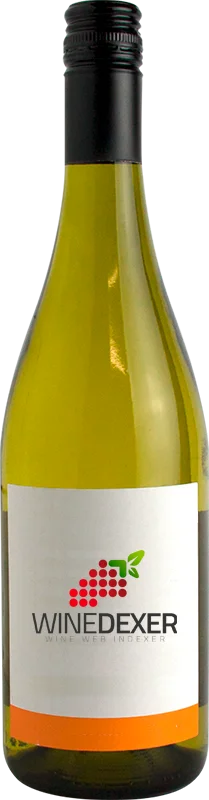
Winery Moravčikova VinaIrsai Oliver
 White wine


This wine generally goes well with

Details and technical informations about Winery Moravčikova Vina's Irsai Oliver.
Discover the grape variety: Dobricic
Structured and intensely coloured reds with a deep ruby colour, firm tannins and dense palate, with signature aromas of black fruit (blackberry, blackcurrant), Mediterranean herbs, spices and saline marine notes. A confidential, sun-drenched Dalmatian profile. Grown almost exclusively on the island of Šolta, it embodies the ancient identity of Dalmatia. A very rare indigenous Croatian black variety, parent of Plavac Mali (a cross with Crljenak Kaštelanski = Zinfandel/Primitivo).
Last vintages of this wine
The best vintages of Irsai Oliver from Winery Moravčikova Vina are 0
Informations about the Winery Moravčikova Vina
The Winery Moravčikova Vina is one of of the world's greatest estates. It offers 19 wines for sale in the of Mikulovska to come and discover on site or to buy online.

The wine region of Mikulovska
Wine sub-region of South Moravia (Czech Republic) around Mikulov, 4,750 ha dominated by whites. Signature Veltlínské zelené (Grüner Veltliner), introduced by the Romans: lively, precise whites with signature notes of green apple, citrus, white pepper, fresh herbs and a limestone mineral touch, a taut palate - the quintessential Czech aperitif. Also fresh Welschriesling (lemon, flowers), aromatic Müller-Thurgau, chiselled Riesling, Chardonnay, Sauvignon Blanc. Loess and limestone soils.
The wine region of Morava
Predominantly white region, lively and mineral: crisp, peppery Grüner Veltliner, taut Riesling with citrus, supple, floral Müller-Thurgau, aromatic Pálava, the local signature (muscat, white flowers). More discreet reds: spicy Frankovka (Blaufränkisch) with black fruits, fine, silky Saint Laurent. Temperate continental climate, 4 sub-regions: Mikulov, Velké Pavlovice, Znojmo, Slovácko. ~96% of the Czech vineyard, 73 grapes grown.
The word of the wine: Second fermentation
In the making of champagne, fermentation of the base wine to which is added the liqueur de tirage and which takes place in the bottle. This second fermentation produces the carbon dioxide, and therefore the bubbles that make up the effervescence of the wine.