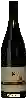
Winery MoraneraBarbera
 Red wine


In the mouth this red wine is a powerful with a nice freshness.
This wine generally goes well with pork, poultry or veal.

Taste structure of the Barbera from the Winery Moranera
Light | Bold | |
Smooth | Tannic | |
Dry | Sweet | |
Soft | Acidic |
In the mouth the Barbera of Winery Moranera in the region of Piedmont is a powerful with a nice freshness.
Food and wine pairings with Barbera
Pairings that work perfectly with Barbera



Original food and wine pairings with Barbera


The Barbera of Winery Moranera matches generally quite well with dishes of pasta, veal or pork such as recipes of salmon cannelloni, saltimbocca alla romana or boeuf en daube.
Details and technical informations about Winery Moranera's Barbera.
Discover the grape variety: Goruli mtsvane
Structured, aromatic dry whites with a pale to amber golden robe (in qvevri), an ample palate and preserved acidity of citrus, yellow fruits (pear, peach), white flowers, dried fruits, honey and mineral notes. Often vinified in qvevri (buried clay jars, UNESCO method) as tannic orange wines. Grown in Kakheti and Kartli, signature of modern Georgian amber whites. Native Georgian grape (mtsvane = "green"), pillar of the qvevri revival.
Last vintages of this wine

The best vintages of Barbera from Winery Moranera are 2014, 2019, 2016, 2018 and 0.
Informations about the Winery Moranera
The Winery Moranera is one of of the world's greatest estates. It offers 22 wines for sale in the of Piedmont to come and discover on site or to buy online.

The wine region of Piedmont
Kingdom of Nebbiolo: Barolo and Barbaresco DOCG, long-ageing reds with firm tannins and lively acidity, complex aromas of withered rose, sour cherry, tar, truffle and undergrowth. More accessible, tangy Barbera on red fruit, supple, crisp Dolcetto. Sweet, floral sparkling Moscato d'Asti, mineral, lemony Gavi (Cortese) white, round, almondy Arneis from Roero. 50,000 ha across the Langhe, Roero and Monferrato, UNESCO.
The word of the wine: Rosé de saignée
A method of making rosé wine that consists of partially draining a vat of red wine after a few hours of maceration. The longer the maceration, the stronger the colour. This practice gives rich and expressive rosés.