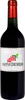
Winery Monika FantiKluser Gutedel
 wine
wine
This wine generally goes well with
The Kluser Gutedel of the Winery Monika Fanti is in the top 0 of wines of Switzerland.
Details and technical informations about Winery Monika Fanti's Kluser Gutedel.
Discover the grape variety: Oeillade blanche
It is said to originate from the south of France, most certainly from Provence. Today, it is practically no longer multiplied, although it is registered in the Official Catalogue of vine varieties, list A1. - Synonyms: oeillade blanche, aragnan or araignan blanc, grosse clairette, papadoux, milhaud blanc in the Tarn. Note that many grape varieties have picardan as a synonym. The one described here has nothing in common with cinsaut and it is not the white form of oeillade noire (for all the synonyms of the grape varieties, click here !).
Informations about the Winery Monika Fanti
The Winery Monika Fanti is one of of the world's greatest estates. It offers 5 wines for sale in the of Switzerland to come and discover on site or to buy online.

The wine region of Switzerland
Switzerland may not be the most famous of wine-producing nations, but this small mountainous country in Western Europe has been producing wine for over two thousand years. The lack of awareness of Swiss wine is not due to a lack of quality or quantity, but to the fact that it is produced primarily for (and enjoyed by) the Swiss themselves. But things are slowly changing; the world beyond the Alps is now discovering the high quality of much of Switzerland's Pinot noir and white wines made from the country's flagship grape, Chasselas. High-end Vineyards can be found in almost every corner of the country, but the vast majority are in the Alpine Valais and around Lake Geneva, in La Côte and Vaud/lavaux">Lavaux.
The word of the wine: Deposit
Solid particles that can naturally coat the bottom of a bottle of wine. It is rather a guarantee that the wine has not been mistreated: in fact, to avoid the natural deposit, rather violent processes of filtration or cold passage (- 7 or - 8 °C) are used in order to precipitate the tartar (the small white crystals that some people confuse with crystallized sugar: just taste to dissuade you from it)