The Château Moneins of Haut-Médoc of Bordeaux
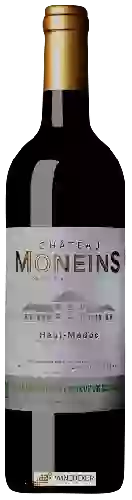
The Château Moneins is one of the best wineries to follow in Haut-Médoc.. It offers 1 wines for sale in of Haut-Médoc to come and discover on site or to buy online.
Looking for the best Château Moneins wines in Haut-Médoc among all the wines in the region? Check out our tops of the best red, white or effervescent Château Moneins wines. Also find some food and wine pairings that may be suitable with the wines from this area. Learn more about the region and the Château Moneins wines with technical and enological descriptions.
How Château Moneins wines pair with each other generally quite well with dishes of beef, lamb or game (deer, venison) such as recipes of beef stew express, moroccan lamb shoulder or alsatian wine pie.
On the nose the red wine of Château Moneins. often reveals types of flavors of cherry, oak or red fruit. In the mouth the red wine of Château Moneins. is a powerful with a nice balance between acidity and tannins.
Structured Bordeaux AOC upstream of the Gironde north of Bordeaux: signature Cabernet Sauvignon as king red on the gravel mounds — deep-coloured and tannic with notes of blackcurrant, blackberry, cedar, tobacco and a hint of spice, structured and age-worthy. Supple Merlot on clay soils adds roundness (plum, red fruits). Dense Petit Verdot and Cabernet Franc complete it. Evolving bouquet (roast, truffle, prune, leather).
5 Classed Growths (1855). AOC (1935), well-drained gravels, oceanic.
Planning a wine route in the of Haut-Médoc? Here are the wineries to visit and the winemakers to meet during your trip in search of wines similar to Château Moneins.
Simple and fruity whites with a pale golden colour, a supple palate with moderate acidity and understated aromas of white fruits and hybrid notes. Productive and disease resistant. Grown in negligible quantities in France and Canada (Quebec) for continental-climate vineyards, bearing witness to the history of post-phylloxera French hybridization. Family of French hybrid varieties obtained by Jean-François Ravat in the early 20th century.

