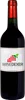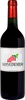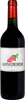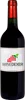
Winery MolillaCampo De Borja Rosado
 Pink wine


This wine generally goes well with pork, beef or game (deer, venison).

Wine flavors and olphactive analysis

Food and wine pairings with Campo De Borja Rosado
Pairings that work perfectly with Campo De Borja Rosado



Original food and wine pairings with Campo De Borja Rosado


The Campo De Borja Rosado of Winery Molilla matches generally quite well with dishes of beef, lamb or pork such as recipes of marinated shrimp skewers with garlic, navarin of lamb or quick beef bourguignon.
Details and technical informations about Winery Molilla's Campo De Borja Rosado.
Discover the grape variety: Tempranillo
Elegant, structured reds with aromas of strawberry, cherry, plum, leather, blond tobacco and pronounced vanilla from long oak ageing. Ranges from Joven to Crianza, Reserva and Gran Reserva. Star of Rioja DOCa, Ribera del Duero DO and Toro DO, also shines in the Douro as Tinta Roriz/Aragonez. One of the world's most planted Spanish varieties.
Last vintages of this wine
The best vintages of Campo De Borja Rosado from Winery Molilla are 2018, 0
Informations about the Winery Molilla
The Winery Molilla is one of of the world's greatest estates. It offers 1 wines for sale in the of Aragon to come and discover on site or to buy online.

The wine region of Aragon
Autonomous community of northeast Spain, historic kingdom of Iberian red Grenache (~75%). Signature Garnacha: generous and sun-drenched with signature ripe cherry, crushed strawberry, garrigue, kirsch, sweet spice and a balsamic touch, round tannins and a warm, alcoholic palate. 4 major DOs: Cariñena the largest (old vines), Calatayud high-altitude, Campo de Borja and Somontano at the Pyrenean foothills. Fresh Macabeo and Garnacha blanca whites.
The word of the wine: Maceration
Prolonged contact and exchange between the juice and the grape solids, especially the skin. Not to be confused with the time of fermentation, which follows maceration. The juice becomes loaded with colouring matter and tannins, and acquires aromas. For a rosé, the maceration is short so that the colour does not "rise" too much. For white wines too, a "pellicular maceration" can be practised, which allows the wine to acquire more fat.