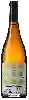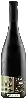
Winery M.O.BGauvé
 wine
wine
This wine generally goes well with
The Gauvé of the Winery M.O.B is in the top 0 of wines of Dão.
Details and technical informations about Winery M.O.B's Gauvé.
Discover the grape variety: Robin noir
Discovered in the 1870s by Mr. Robin, who lived in the Drôme at the time in Lapeyrouse-Mornay, this ancient grape variety is believed to have originated in the north of Isère. It can also be found in Switzerland. According to Thierry Lacombe (I.N.R.A./Montpellier), it is the result of a natural intraspecific crossing between Tressot Noir and Mondeuse Blanche. It should be noted in passing that, on the one hand, it has exactly the same parents as the mondeuse noire, that on the other hand, it is the mother of the diolinoir and, finally, is related to the servanin. Robin noir is not widely propagated today because it is not well known, although it is listed in the Official Catalogue of Wine Grape Varieties, list A1.
Last vintages of this wine


The best vintages of Gauvé from Winery M.O.B are 2015, 0
Informations about the Winery M.O.B
The Winery M.O.B is one of of the world's greatest estates. It offers 11 wines for sale in the of Dão to come and discover on site or to buy online.

The wine region of Dão
The wine region of Dão is located in the region of Beiras of Portugal. We currently count 316 estates and châteaux in the of Dão, producing 1397 different wines in conventional, organic and biodynamic agriculture. The wines of Dão go well with generally quite well with dishes .
The wine region of Beiras
Beiras (Beira) is a traditional administrative region in the northern half of Portugal. It is also the name of the IGP, or Indicacoes Geograficas Protegidas, wine classification (formerly known as Vinho Regional) which covers the region as a whole. A wide range of wines are made in Beiras – red wines from the region are typically Rich, deeply colored wines made from Baga, Castelão, Rufete (Tinto Pinheira), Merlot, Cabernet Sauvignon, Syrah and Touriga Nacional, and are sometimes fortified to emulate their more famous Oporto cousins. Whites are most often based on Fernão Pires and Bical, the latter being a small-berried variety with the affectionate nickname Borrado das Moscaos ('fly droppings').
The word of the wine: Muscat blanc à petits grains
A white grape variety cultivated since antiquity on the shores of the Mediterranean, it is considered the noblest of the muscats. It is mainly used to make sweet wines, often from mutage. In France, it is the sole variety used in many natural sweet wines: muscat-de-frontignan, muscat-de-mireval, muscat-de-lunel, muscat-de-saint-jean-de-minervois, muscat-de-beaumes-de-venise, muscat-du-cap-corse. Combined with Muscat d'Alexandrie, it gives Muscat-de-Rivesaltes. It is also used to make sparkling white wines (clairette-de-die; moscato d'asti and asti spumante in Italy) and dry wines (alsace-muscat). Powerfully aromatic and complex, its wines evoke fresh grapes, roses, exotic fruits, citrus fruits and spices.