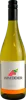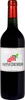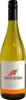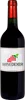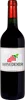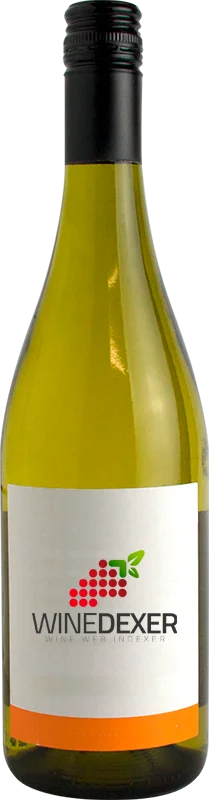
Winery Michel SevinCôte de Bergerac Moelleux
 Sweet wine


This wine generally goes well with

Details and technical informations about Winery Michel Sevin's Côte de Bergerac Moelleux.
Discover the grape variety: Rabo de Ovelha
Lively and fresh dry whites with a pale golden robe, a supple palate and preserved acidity, with signature aromas of citrus (lemon), green apple, white flowers and Mediterranean herbal notes. A thirst-quenching Iberian profile to drink young. A traditional component of Portuguese white blends from the Tejo, Alentejo and Douro, expressing the identity of central Portugal. Native Portuguese white grape, whose name means "sheep's tail".
Last vintages of this wine
The best vintages of Côte de Bergerac Moelleux from Winery Michel Sevin are 0
Informations about the Winery Michel Sevin
The Winery Michel Sevin is one of of the world's greatest estates. It offers 6 wines for sale in the of Côtes de Bergerac to come and discover on site or to buy online.

The wine region of Côtes de Bergerac
Higher hierarchy of the Bergeracois in Périgord: structured complex reds — dominant Merlot blended with Cabernet Franc, Cabernet Sauvignon and Côt, deep robe, aromas of candied fruits and prune, sturdy tannins suitable for 5-10 years of aging. Sweet generous whites on Sémillon, Sauvignon and Muscadelle with notes of honey, candied fruits and apricot, round and fresh palate. Clay-limestone soils, more demanding identity than generic Bergerac.
The wine region of South West
French mosaic of strong identities south of Bordeaux. Cahors and its Malbec ("black wine"): deep reds with notes of blackberry, plum, violet, tobacco and cocoa, firm tannins. Madiran and its dense, age-worthy Tannat. Jurançon whites: golden sweet (apricot, honey, pineapple) and lively dry from Petit Manseng.
The word of the wine: Chaptalization
The addition of sugar at the time of fermentation of the must, an ancient practice, but theorized by Jean-Antoine Chaptal at the dawn of the 19th century. The sugar is transformed into alcohol and allows the natural degree of the wine to be raised in a weak or cold year, or - more questionably - when the winegrower has a harvest that is too large to obtain good maturity.