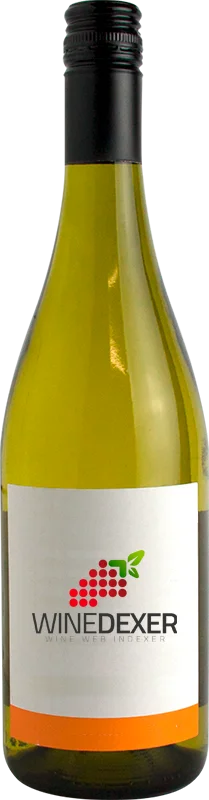
Winery Michel SevinCôteaux de Tannay
 White wine



This wine generally goes well with

Details and technical informations about Winery Michel Sevin's Côteaux de Tannay.
Discover the grape variety: Grolleau Gris
Lively, fruity fresh whites and rosés to enjoy young, with a pale golden to salmon robe and an airy palate, with signature aromas of red fruits (strawberry, redcurrant), white flowers and fresh notes. Enjoying a fine qualitative revival. A component of Rosé de Loire AOC, Touraine AOC and IGP Val de Loire; grown in Anjou and Touraine. Grey-skinned mutation of Grolleau, an indigenous French variety from the Loire Valley.
Last vintages of this wine
The best vintages of Côteaux de Tannay from Winery Michel Sevin are 0, 2015
Informations about the Winery Michel Sevin
The Winery Michel Sevin is one of of the world's greatest estates. It offers 6 wines for sale in the of Coteaux de Tannay to come and discover on site or to buy online.

The wine region of Coteaux de Tannay
IGP from the northern Nièvre, at the crossroads of Burgundy and Centre-Val de Loire (~20 ha, hillsides at 150–250 m, Bathonian argilo-calcareous soils, continental climate with oceanic and Loire influences, warm days and cool summer nights, IGP status 2011 renaissance): Melon and Chardonnay are the signature whites (90% of production) — lively profiles with characteristic softness and roundness. Light reds and rosés from Pinot Noir and Gamay, Pinot Gris as complement.
The wine region of Val de Loire
France's most diverse vineyard, 800 km along the Loire (~48,300 ha). Flagship whites: lively, mineral Sauvignon from Sancerre-Pouilly (citrus, boxwood, gunflint), Loire Chenin from vibrant dry to noble sweet wines (quince, honey, taut acidity), Melon de Bourgogne of saline Muscadet on lees. Cabernet Franc reds (Chinon, Bourgueil, Saumur-Champigny): raspberry, bell pepper, graphite, silky tannins. Sparkling Cremants with brioche-apple notes.
The word of the wine: Wine library
Cellar in which are kept bottles that retrace the history of a domain, a vintage, an exceptional wine, etc., and which constitute a collection. It is also said of a place that offers a very wide choice of wines served by the glass. The oenotheques are more and more widespread in the living rooms opened to the public.