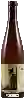
Winery Michael FrohlichSilvaner
 White wine



In the mouth this white wine is a with a nice freshness.
This wine generally goes well with pork, vegetarian or poultry.

Taste structure of the Silvaner from the Winery Michael Frohlich
Light | Bold | |
Dry | Sweet | |
Soft | Acidic |
In the mouth the Silvaner of Winery Michael Frohlich in the region of Franken is a with a nice freshness.
Food and wine pairings with Silvaner
Pairings that work perfectly with Silvaner



Original food and wine pairings with Silvaner


The Silvaner of Winery Michael Frohlich matches generally quite well with dishes of veal, pork or vegetarian such as recipes of breaded veal cutlets, quiche without pastry or cream and tuna quiche.
Details and technical informations about Winery Michael Frohlich's Silvaner.
Discover the grape variety: Piquepoul gris
Lively, citrusy whites and pale rosés with a salmon-pale hue, light palate and preserved acidity, showing aromas of citrus (lemon, grapefruit), white flowers and saline mineral notes. Tense, iodine-tinged southern profile. Rarer than Picpoul blanc, it contributes in small quantities to certain Languedoc blends and is attracting renewed interest. Grey-skinned mutation of Picpoul, grown in the Languedoc and southern Rhône.
Last vintages of this wine
The best vintages of Silvaner from Winery Michael Frohlich are 0
Informations about the Winery Michael Frohlich
The Winery Michael Frohlich is one of of the world's great estates. It offers 27 wines for sale in the of Franken to come and discover on site or to buy online.

The wine region of Franken
Homeland of German Silvaner: dry, straight, mineral and lively whites with notes of green apple, citrus, fresh herbs and a saline touch, planted here for over 350 years (1,500 ha, a quarter of the vineyard). Also supple, floral Müller-Thurgau, taut Riesling, aromatic Bacchus. Some discreet reds (Spätburgunder). 6,040 ha in Bavaria along the Main around Würzburg, red sandstone and shell-limestone soils.
The word of the wine: Reserve wine (champagne)
Older wines, kept in vats or aged in wood in some houses, or kept in magnums at Bollinger. A small percentage of these wines are used in the blending of non-vintage wines in order to bring greater aromatic complexity.