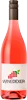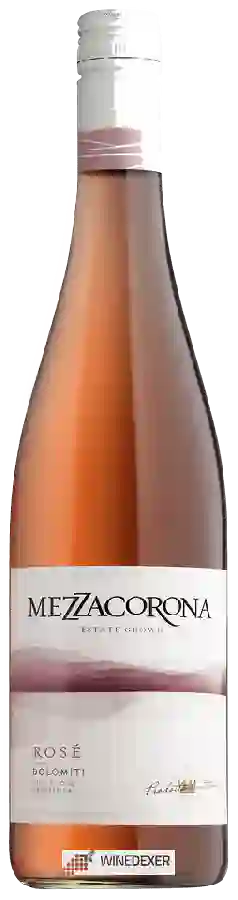
Winery MezzacoronaRosé Dolomiti
 Pink wine


This wine generally goes well with

Wine flavors and olphactive analysis





On the nose the Rosé Dolomiti of Winery Mezzacorona in the region of Trentino-Alto-Adige often reveals types of flavors of non oak, earth or microbio and sometimes also flavors of oak, citrus fruit or red fruit.
Details and technical informations about Winery Mezzacorona's Rosé Dolomiti.
Discover the grape variety: Listan
Structured and oxidative whites, with a golden to amber robe, a full palate marked by the flor veil and controlled oxidation on walnut, almond, yeast, apple and saline iodine notes. Emblematic pillar of Jerez DO (Fino, Manzanilla, Amontillado, Oloroso) and aromatic signature of Andalusian veil wines. Spanish synonym of Palomino, autochthonous white variety of Andalusia.
Last vintages of this wine

The best vintages of Rosé Dolomiti from Winery Mezzacorona are 2018, 2017, 2016, 0 and 2014.
Informations about the Winery Mezzacorona
The Winery Mezzacorona is one of of the world's great estates. It offers 97 wines for sale in the of Vigneti delle Dolomiti to come and discover on site or to buy online.

The wine region of Vigneti delle Dolomiti
Alpine IGT covering Trentino, Alto Adige and northern Veneto in the UNESCO Dolomites, high-altitude vineyards in a taut climate. Lively, precise whites dominate. Signature Pinot Grigio with signature notes of citrus, pear, white flowers and a saline touch, thirst-quenching palate. Ample Chardonnay, aromatic Müller-Thurgau, lively Sauvignon.
The wine region of Trentino-Alto-Adige
Italy's northernmost alpine vineyard, two identities. Aromatic, precise whites are the stars: signature opulent Gewurztraminer (lychee, rose, spice), ample Pinot Grigio, mineral Pinot Bianco, lively high-altitude Muller-Thurgau. Native reds: dense fruity Teroldego (blackberry, violet), deep Lagrein with plum and chocolate notes, light crunchy Schiava, spicy Marzemino. Trento DOC Metodo Classico sparklers.
The word of the wine: Yeast
Micro-organisms at the base of all fermentative processes. A wide variety of yeasts live and thrive naturally in the vineyard, provided that treatments do not destroy them. Unfortunately, their replacement by laboratory-selected yeasts is often the order of the day and contributes to the standardization of the wine. Yeasts are indeed involved in the development of certain aromas.