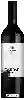
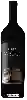
Winery Mészáros PálTradíció Szekszard
 Red wine



This wine generally goes well with

Wine flavors and olphactive analysis


On the nose the Tradíció Szekszard of Winery Mészáros Pál in the region of Dél-Pannónia often reveals types of flavors of oak.
Details and technical informations about Winery Mészáros Pál's Tradíció Szekszard.
Discover the grape variety: Merlot blanc
Simple, fresh dry whites, with a pale golden robe, a supple palate with moderate acidity on undemonstrative citrus and white flower aromas. Discreet rustic profile. Almost extinct, preserved in INRAE varietal collections for its patrimonial value, it testifies to the pre-phylloxera ampelographic diversity of the Bordeaux region. Rare French white variety, with no genetic link to red Merlot despite the name.
Last vintages of this wine
The best vintages of Tradíció Szekszard from Winery Mészáros Pál are 2017, 0
Informations about the Winery Mészáros Pál
The Winery Mészáros Pál is one of of the world's great estates. It offers 79 wines for sale in the of Szekszárd to come and discover on site or to buy online.

The wine region of Szekszárd
Southern Hungarian region, land of velvety, spicy reds. Signature Szekszardi Bikaver (local "Bull's Blood"): a blend of dominant Kekfrankos (Blaufrankisch) and native Kadarka, with signature notes of ripe cherry, plum, paprika, hibiscus, tobacco and sweet spice, velvety tannins and southern roundness — softer and sunnier than Eger's. Also peppery Cabernet Franc and dense Cabernet Sauvignon. Mild Pannonian climate, loess soils over limestone.
The wine region of Dél-Pannónia
Southern Hungary (Pécs, Szekszárd, Villány, Tolna), ~7,800 ha on loess and limestone, continental climate with Mediterranean influences — bastion of great Hungarian reds. Kékfrankos and Kadarka signatures as native red kings: spiced and structured with black cherry, blackberry, plum, paprika, pepper and smoky hint, firm tannins. Ripe Cabernet Franc and Sauvignon in Bordeaux blends at Villány. Specialities Szekszárdi Bikavér and unique Cirfandli white at Pécs (spiced, honeyed).
The word of the wine: Alcoholic fermentation
Transformation of sugars into alcohol under the effect of yeast. These yeasts exist in their natural state in the vineyards and in the cellars. Artificial seeding with selected yeasts is however very often practiced.