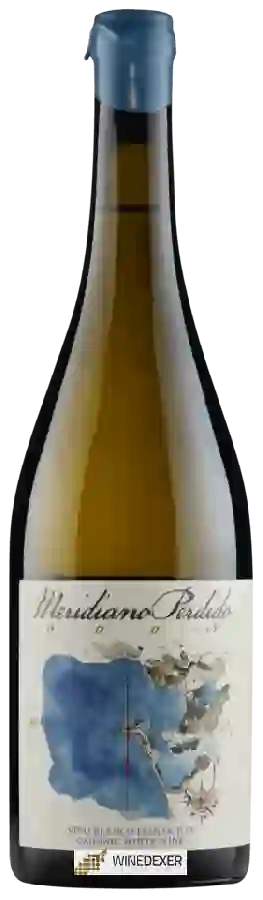
Winery Meridiano PerdidoBlanco
 White wine


This wine generally goes well with
The Blanco of the Winery Meridiano Perdido is in the top 70 of wines of Cádiz.

Details and technical informations about Winery Meridiano Perdido's Blanco.
Discover the grape variety: Verdeca
Lively, refreshing whites with a pale robe, lean palate and fresh acidity. Delicate aromas of citrus (lemon, grapefruit), green apple, white flowers, fresh almond and saline mineral notes. Light finish, best drunk young. Star of Locorotondo DOC and Martina Franca DOC in the Itria Valley at the heart of Puglia; long used for vermouths. Native Apulian variety, identical to the Greek Lagorthi according to recent DNA analysis.
Last vintages of this wine
The best vintages of Blanco from Winery Meridiano Perdido are 0
Informations about the Winery Meridiano Perdido
The Winery Meridiano Perdido is one of of the world's greatest estates. It offers 1 wines for sale in the of Cádiz to come and discover on site or to buy online.

The wine region of Cádiz
Andalusian IGP around Jerez, Sanlúcar and Chiclana, mild Atlantic-influenced climate. Star soils: albariza (white chalky marl) and coastal sands. Still wines beyond Sherry. Whites: dry Palomino (apple, citrus, almond, salty iodine), floral Moscatel (grape, flowers), ample Pedro Ximénez, taut Chardonnay.
The wine region of Andalousie
Dry, sun-baked southern Spain, world cradle of fortified and oxidative wines. Sherry from Jerez is the signature: Palomino Fino under a veil of flor yields lively, saline Fino with signature notes of almond, yeast, green apple and a sharp iodine edge; more maritime Manzanilla (Sanlúcar); unveiled Oloroso in grand oxidation (walnut, caramel, tobacco). Pedro Ximénez from Montilla-Moriles: intense dark sweet (fig, raisin, coffee, molasses). Also muscat Málaga.
The word of the wine: Sulphur
An antiseptic and antioxidant substance known since antiquity, probably already used by the Romans. But it was only in modern times that its use was rediscovered. It will allow a better conservation of the wine and thus favour its export. Sulphur also gave the 18th century winegrower the possibility of extending the maceration period without fearing that the wine would turn sour and thus go from dark rosé wines to the red wines of today. Excessive sulphur, on the other hand, kills happiness, paralysing the aromas and causing headaches.