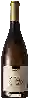
Winery MedeaMontiron
 White wine


This wine generally goes well with
The Montiron of the Winery Medea is in the top 40 of wines of Istra.

Wine flavors and olphactive analysis






On the nose the Montiron of Winery Medea in the region of Istra often reveals types of flavors of non oak, earth or microbio and sometimes also flavors of vegetal, oak or tree fruit.
Details and technical informations about Winery Medea's Montiron.
Discover the grape variety: Glacière
Table grape with long clusters, golden thick-skinned berries and crunchy sweet flesh, ideal for prolonged winter storage. Late-ripening. Very rarely vinified. Rare today, it survives in amateur gardens and ampelographic collections. Witness to the French table-grape heritage of winter conservation varieties. French white table-grape variety, once grown for winter storage.
Last vintages of this wine
The best vintages of Montiron from Winery Medea are 2019, 2018, 2015, 0 and 2017.
Informations about the Winery Medea
The Winery Medea is one of of the world's greatest estates. It offers 10 wines for sale in the of Istra to come and discover on site or to buy online.

The wine region of Istra
Istrian peninsula on the Adriatic, Croatia's smallest wine region but one of its most renowned. Signature Malvazija Istarska (50-70%): expressive, lively whites with notes of acacia, green apple, citrus, fresh almond and marked saline minerality - a perfect match with seafood. Native Teran in tannic, tangy red (blackberry, blood, earth), a unique profile. Also dense Refošk, round Merlot.
The word of the wine: Thermoregulation
Control of the vinification temperatures (by circulating hot or cold water on the walls of the vats, for example). This is a major step forward, which in particular helps to preserve the freshness of the aromas threatened by excessive temperature rises during fermentation.