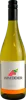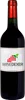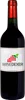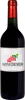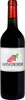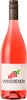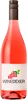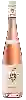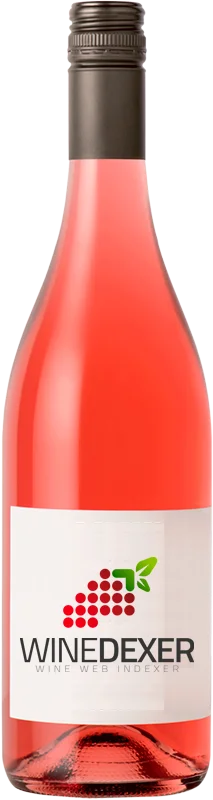
Winery MatheusPiesporter Treppchen Spätburgunder Rosé Trocken
 Pink wine


This wine generally goes well with vegetarian
Food and wine pairings with Piesporter Treppchen Spätburgunder Rosé Trocken
Pairings that work perfectly with Piesporter Treppchen Spätburgunder Rosé Trocken

Original food and wine pairings with Piesporter Treppchen Spätburgunder Rosé Trocken
The Piesporter Treppchen Spätburgunder Rosé Trocken of Winery Matheus matches generally quite well with dishes of vegetarian such as recipes of zucchini quiche.
Details and technical informations about Winery Matheus's Piesporter Treppchen Spätburgunder Rosé Trocken.
Discover the grape variety: Chenin blanc
It most certainly originates from the Anjou region and is registered in the official catalogue of wine grape varieties on the A1 list. It can also be found in South Africa, Australia, Argentina, Chile, the United States (California), New Zealand, etc. It is said to be a descendant of Savagnin and to have sauvignonasse as its second parent (Jean-Michel Boursiquot 2019). On the other hand, Chenin blanc is the half-brother of verdelho and sauvignon blanc and is the father of colombard.
Last vintages of this wine
The best vintages of Piesporter Treppchen Spätburgunder Rosé Trocken from Winery Matheus are 0
Informations about the Winery Matheus
The Winery Matheus is one of of the world's greatest estates. It offers 31 wines for sale in the of Mosel to come and discover on site or to buy online.

The wine region of Mosel
Mosel is the most famous of Germany's 13 official wine regions, and also the third largest in terms of production. As with many German regions, it is most aasociated with a range of wine styles made from the Riesling grape variety, but Müller-Thurgau is also widely planted. The best Mosel Riesling wines are some of the finest whites in the world. Light and low in Alcohol, they can be intensely fragrant with beguiling Floral">floral and Mineral notes, and a wonderful Balance of sweetness and Acidity.
The word of the wine: Bâtonnage
A very old technique that has come back into fashion in modern oenology, which consists of shaking the white wine in the barrels at the end of fermentation, or after fermentation, with a stick or a flail, in order to suspend the fine lees composed of yeasts at the end of their activity. This process is sometimes used for red wines.