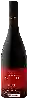
Winery Mas du SoleillaTerre du Vent
 Red wine


This wine is a blend of 2 varietals which are the Cabernet franc and the Merlot.
In the mouth this red wine is a powerful with a nice balance between acidity and tannins.
This wine generally goes well with beef, veal or pasta.
The Terre du Vent of the Winery Mas du Soleilla is in the top 20 of wines of Coteaux de Narbonne.

Taste structure of the Terre du Vent from the Winery Mas du Soleilla
Light | Bold | |
Smooth | Tannic | |
Dry | Sweet | |
Soft | Acidic |
In the mouth the Terre du Vent of Winery Mas du Soleilla in the region of Pays d'Oc is a powerful with a nice balance between acidity and tannins.
Food and wine pairings with Terre du Vent
Pairings that work perfectly with Terre du Vent



Original food and wine pairings with Terre du Vent
The Terre du Vent of Winery Mas du Soleilla matches generally quite well with dishes of beef, pasta or veal such as recipes of fleischnacka leaf, pasta romantica or homemade marengo veal.
Details and technical informations about Winery Mas du Soleilla's Terre du Vent.
Discover the grape variety: Cabernet franc
Supple, fragrant reds with fine tannins and vibrant freshness, showing raspberry, violet, green pepper, pencil lead and gentle spice aromas. Star of the Loire as a single variety (Chinon, Bourgueil, Saumur-Champigny) and of the right bank of Bordeaux in blends (Cheval Blanc at 60%). Also in semi-dry Anjou rosés. A historic Bordeaux variety, parent of Cabernet-Sauvignon, Merlot and Carmenère.
Last vintages of this wine

The best vintages of Terre du Vent from Winery Mas du Soleilla are 2009, 2008, 2011, 2010
Informations about the Winery Mas du Soleilla
The Winery Mas du Soleilla is one of of the world's greatest estates. It offers 28 wines for sale in the of Coteaux de Narbonne to come and discover on site or to buy online.

The wine region of Coteaux de Narbonne
Audois IGP around Narbonne (limestone hills and ancient Aude delta on deep soils, strict Mediterranean under 500 mm/year, tempering sea breezes, naturally ventilating winds). Grenache, Syrah, Merlot, Cabernet Sauvignon and Carignan as Mediterranean signature reds — powerful and warm with ripe fruit and supple tannins. Chardonnay, Viognier, Chenin and Marsanne as fresh, aromatic floral whites. Balance of power, freshness and elegance.
The wine region of Pays d'Oc
The single-grape IGP par excellence: modern, accessible, frank and fruity wines, the popular signature of the Midi. Spicy Syrah reds (pepper, blackberry), round Merlot, structured Cabernet, generous Grenache, supple Cinsault. Crisp, tangy rosés. Opulent Chardonnay whites, lively Sauvignon, floral, apricoty Viognier.
The word of the wine: Tastevin
Metal cup, wide and of low height, being used to mirror and taste the wine. Still used in wine brotherhoods for its emblematic and folkloric character, the tastevin has been replaced by the various tasting glasses.