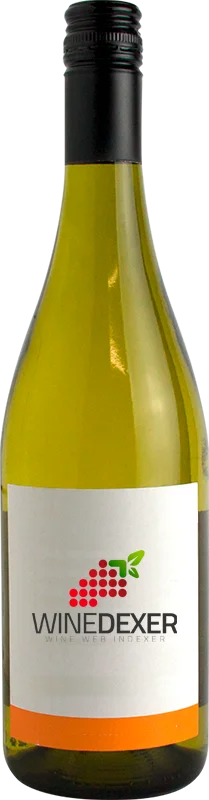
Winery Mas de La Plaine HauteLes Anciens Muscat de Frontignan
 Natural sweet wine
This wine generally goes well with
Details and technical informations about Winery Mas de La Plaine Haute's Les Anciens Muscat de Frontignan.
Discover the grape variety: Ondenc
Ondenc is a white grape variety from the southwest of France, particularly present in the vineyards of Bergerac, Duras, Montravel and Gaillac, and is very sensitive to disease, but vigorous and fertile. Pruned short, this variety resists very well to the autan wind. ondenc gives dry or sweet white wines of a beautiful finesse. To gain in complexity, alcohol content and aromatic expression, it is often blended with other white grape varieties. When distilled, it is also the source of high quality perfumed eaux de vie. It is often used in the composition of AOC Côtes-de-Bergerac, Bordeaux, Côtes-de-Duras, Gaillac, etc. Ondenc accounts for less than 10 hectares in France, but is very present in Australia.
Informations about the Winery Mas de La Plaine Haute
The Winery Mas de La Plaine Haute is one of of the world's greatest estates. It offers 7 wines for sale in the of Muscat de Frontignan to come and discover on site or to buy online.

The wine region of Muscat de Frontignan
Muscat de Frontignan is an appellation for naturally Sweet wines from Frontignan-la Peyrade, a town on the Mediterranean coast in the Languedoc-roussillon">Languedoc-Roussillon region of southern France. The wines are made only from Muscat Blanc à Petits Grains. It is also used in the other Muscats of Languedoc (Muscat de Lunel, Muscat de Mireval and Muscat de Saint-Jean-de-Minervois). It is considered the best member of the Muscat family.
The wine region of Languedoc-Roussillon
Languedoc (formerly Coteaux du Languedoc) is a key appellation used in the Languedoc-Roussillon wine region of southern France. It covers Dry table wines of all three colors (red, white and rosé) from the entire region, but leaves Sweet and Sparkling wines to other more specialized appellations. About 75% of all Languedoc wines are red, with the remaining 25% split roughly down the middle between whites and rosés. The appellation covers most of the Languedoc region and almost a third of all the vineyards in France.
The word of the wine: Round
Said of a wine that is harmonious and smooth, offering no harshness in the mouth.