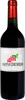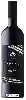
Winery MartoranaSyrah
 Red wine



In the mouth this red wine is a powerful.
This wine generally goes well with beef, lamb or pasta.

Taste structure of the Syrah from the Winery Martorana
Light | Bold | |
Smooth | Tannic | |
Dry | Sweet | |
Soft | Acidic |
In the mouth the Syrah of Winery Martorana in the region of Sicily is a powerful.
Food and wine pairings with Syrah
Pairings that work perfectly with Syrah



Original food and wine pairings with Syrah
The Syrah of Winery Martorana matches generally quite well with dishes of beef, pasta or lamb such as recipes of tibs (ethiopia), my lasagna bolognese (without béchamel sauce) or tanjia (lamb shoulder confit).
Details and technical informations about Winery Martorana's Syrah.
Discover the grape variety: Abouriou
Supple, fruity reds with a deep purple robe, smooth tannins and moderate acidity, showing aromas of red and black fruits (cherry, blackberry, plum), sweet spices and floral notes. Round, approachable young, easy-drinking wines. Star of Côtes du Marmandais AOC, identity pillar of the appellation alongside cabernet and merlot, also present in Buzet AOC and Fronton AOC. Autochthonous South-West variety from Lot-et-Garonne, rediscovered in the 19th century.
Last vintages of this wine
The best vintages of Syrah from Winery Martorana are 0
Informations about the Winery Martorana
The Winery Martorana is one of of the world's greatest estates. It offers 6 wines for sale in the of Sicily to come and discover on site or to buy online.

The wine region of Sicily
Major qualitative renewal. Sunny, expressive reds: fleshy, spicy Nero d'Avola (black cherry, blackberry, liquorice), fine, mineral Nerello Mascalese on Etna (recalls Pinot Noir), light, crisp Frappato in Cerasuolo di Vittoria DOCG. Lively, saline whites: Catarratto, fat, iodised Grillo, taut Carricante, floral Inzolia. Amber, walnutty fortified Marsala.
The word of the wine: Aging on lees
Maturing on the lees enhances the stability, aromatic complexity and texture of white wines, which gain in body and volume. This phenomenon is induced by autolysis, the process of self-degradation of the lees.