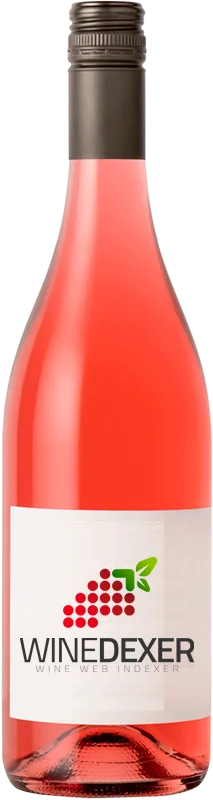
Winery Martina & Jochen WickToujours Rosé
 Pink wine


This wine generally goes well with beef, lamb or goat cheese.

Food and wine pairings with Toujours Rosé
Pairings that work perfectly with Toujours Rosé



Original food and wine pairings with Toujours Rosé
The Toujours Rosé of Winery Martina & Jochen Wick matches generally quite well with dishes of beef, lamb or goat cheese such as recipes of pork chops with potatoes, lamb tagine with prunes and dried fruits or pizza with 4 cheeses and white sauce.
Details and technical informations about Winery Martina & Jochen Wick's Toujours Rosé.
Discover the grape variety: Zinfandel
Generous, high-alcohol reds with a dark robe and indulgent palate, showing aromas of stewed blackberry, raspberry, black pepper, liquorice, cinnamon and cooked fruit. Also vinified as a popular sweet rosé (White Zinfandel). Star of California (Lodi, Sonoma, Dry Creek Valley, Paso Robles) with sought-after century-old vines. Identical to Italian Primitivo and Croatian Crljenak Kaštelanski by DNA analysis.
Last vintages of this wine
The best vintages of Toujours Rosé from Winery Martina & Jochen Wick are 0
Informations about the Winery Martina & Jochen Wick
The Winery Martina & Jochen Wick is one of of the world's greatest estates. It offers 21 wines for sale in the of Pfalz to come and discover on site or to buy online.

The wine region of Pfalz
Fleshy, dry, fruity Riesling is the region's signature: yellow peach, apricot, ripe citrus, lovely mineral tension. Germany's largest red-wine area (40%), with silky Spätburgunder showing red fruit and spice, darker structured Dornfelder, supple Portugieser. Some rounded Pinot Blanc and Pinot Gris. A 23,640 ha vineyard along the Haardt, among Germany's warmest (>2,000 h of sun).
The word of the wine: Yeast
Micro-organisms at the base of all fermentative processes. A wide variety of yeasts live and thrive naturally in the vineyard, provided that treatments do not destroy them. Unfortunately, their replacement by laboratory-selected yeasts is often the order of the day and contributes to the standardization of the wine. Yeasts are indeed involved in the development of certain aromas.