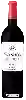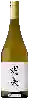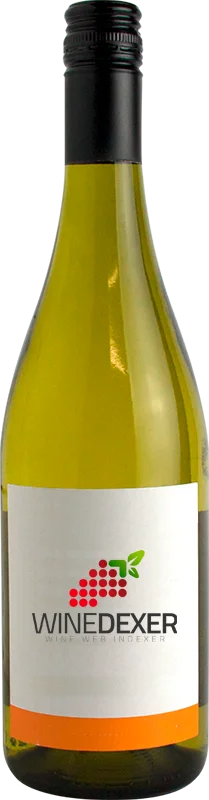
Winery Marqués de ReinosaTempranillo Blanco
 White wine



In the mouth this white wine is a powerful.
This wine generally goes well with appetizers and snacks, lean fish or shellfish.

Taste structure of the Tempranillo Blanco from the Winery Marqués de Reinosa
Light | Bold | |
Dry | Sweet | |
Soft | Acidic |
In the mouth the Tempranillo Blanco of Winery Marqués de Reinosa in the region of Rioja is a powerful.


Food and wine pairings with Tempranillo Blanco
Pairings that work perfectly with Tempranillo Blanco



Original food and wine pairings with Tempranillo Blanco

The Tempranillo Blanco of Winery Marqués de Reinosa matches generally quite well with dishes of shellfish, appetizers and snacks or lean fish such as recipes of baeckeoffe with fish, codfish accras or monkfish, prawn and apple skewers.
Details and technical informations about Winery Marqués de Reinosa's Tempranillo Blanco.
Discover the grape variety: Abouriou
Supple, fruity reds with a deep purple robe, smooth tannins and moderate acidity, showing aromas of red and black fruits (cherry, blackberry, plum), sweet spices and floral notes. Round, approachable young, easy-drinking wines. Star of Côtes du Marmandais AOC, identity pillar of the appellation alongside cabernet and merlot, also present in Buzet AOC and Fronton AOC. Autochthonous South-West variety from Lot-et-Garonne, rediscovered in the 19th century.
Last vintages of this wine
The best vintages of Tempranillo Blanco from Winery Marqués de Reinosa are 0
Informations about the Winery Marqués de Reinosa
The Winery Marqués de Reinosa is one of of the world's great estates. It offers 33 wines for sale in the of Rioja to come and discover on site or to buy online.

The wine region of Rioja
Star of great Spanish reds: signature Tempranillo, elegant and complex, with notes of ripe cherry, plum, leather, vanilla and tobacco from American oak ageing. Classification by age: fruity Joven, balanced Crianza, ample Reserva, deep, silky Gran Reserva (5 years, 2 in barrel). Some fresh Viura whites and generous rosés. Spain's first DOCa (1991), 3 sub-zones (Alta, Alavesa, Oriental), 93.
The word of the wine: Grape variety
A type of vine plant and, by extension, the term used to designate the grapes that come from it. The term "table grape" is used to designate the grapes used for consumption, whereas the term "grape variety" is used to designate the wine grapes used to make wine.