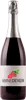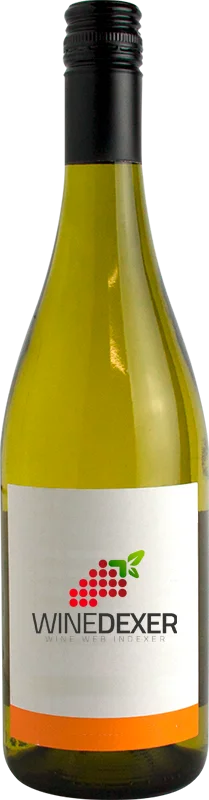
Winery Marco DonatiMoscato Rosa
 White wine


In the mouth this white wine is a powerful with a good balance between acidity and sweetness.
This wine generally goes well with lean fish, shellfish or mature and hard cheese.

Taste structure of the Moscato Rosa from the Winery Marco Donati
Light | Bold | |
Dry | Sweet | |
Soft | Acidic |
In the mouth the Moscato Rosa of Winery Marco Donati in the region of Vino da Tavola is a powerful with a good balance between acidity and sweetness.
Food and wine pairings with Moscato Rosa
Pairings that work perfectly with Moscato Rosa



Original food and wine pairings with Moscato Rosa


The Moscato Rosa of Winery Marco Donati matches generally quite well with dishes of pasta, shellfish or mature and hard cheese such as recipes of pasta carbonara, mussels with camembert cheese or bacon and warm goat cheese quiche.
Details and technical informations about Winery Marco Donati's Moscato Rosa.
Discover the grape variety: Duras
Structured, spicy reds with a sustained ruby robe, firm tannins and fresh acidity, with aromas of dark fruit (blackberry, blackcurrant), black pepper, spice, liquorice and balsamic notes. Dense palate, good ageing potential. Star of Gaillac AOC on the Tarn terraces (minimum 40% in reds, blended with Braucol and Syrah). Also in IGP Côtes du Tarn. Autochthonous variety of the French South-West, unrelated to the town of Duras (Lot-et-Garonne).
Last vintages of this wine

The best vintages of Moscato Rosa from Winery Marco Donati are 0, 2018
Informations about the Winery Marco Donati
The Winery Marco Donati is one of of the world's great estates. It offers 37 wines for sale in the of Vino da Tavola to come and discover on site or to buy online.

The wine region of Vino da Tavola
The freest category of Italian wine, with no grape or zone constraint. All styles: bold reds based on Bordeaux grapes (Cabernet, Merlot), atypical blends, maker's cuvées outside DOC rules. Historic cradle of the "Super Tuscans" in the 1960s-80s (Sassicaia, Tignanello, Ornellaia) before the creation of IGT in 1992. Today dedicated to everyday wines or winemaker experiments.
The word of the wine: Discharge
In the traditional method, elimination of the yeast deposit formed during the second fermentation in the bottle.