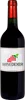
Winery Marchesi di BaroloDolcetto delle Langhe
 Red wine



In the mouth this red wine is a powerful with a lot of tannins present in the mouth.
This wine generally goes well with beef, game (deer, venison) or lamb.

Taste structure of the Dolcetto delle Langhe from the Winery Marchesi di Barolo
Light | Bold | |
Smooth | Tannic | |
Dry | Sweet | |
Soft | Acidic |
In the mouth the Dolcetto delle Langhe of Winery Marchesi di Barolo in the region of Piedmont is a powerful with a lot of tannins present in the mouth.
Food and wine pairings with Dolcetto delle Langhe
Pairings that work perfectly with Dolcetto delle Langhe



Original food and wine pairings with Dolcetto delle Langhe

The Dolcetto delle Langhe of Winery Marchesi di Barolo matches generally quite well with dishes of beef, pasta or lamb such as recipes of shepherd's pie (quebec!), spaghetti carbonara or braised lamb with peppers.
Details and technical informations about Winery Marchesi di Barolo's Dolcetto delle Langhe.
Discover the grape variety: Pederna
Crisp, taut dry whites with a pale golden colour and green highlights, a lean palate and cutting acidity showing lime, green apple, white flowers and saline Atlantic mineral notes. A perfect, refreshing profile for seafood. A component of Minho Vinho Verde wines, also used in blends from north-west Portugal. The Portuguese synonym of Arinto, a high-acidity autochthonous white variety.
Last vintages of this wine
The best vintages of Dolcetto delle Langhe from Winery Marchesi di Barolo are 0, 2015
Informations about the Winery Marchesi di Barolo
The Winery Marchesi di Barolo is one of of the world's great estates. It offers 103 wines for sale in the of Dolcetto delle Langhe Monregalesi to come and discover on site or to buy online.

The wine region of Dolcetto delle Langhe Monregalesi
Premier Cru climat on the right bank of the Serein (Troesmes grouping, Chablis), slightly softened south-east exposure, slightly less cold microclimate. 100% Chardonnay with more accessible minerality than left-bank premiers crus — notes of white flowers, citrus, stone fruits and a slightly softer saline-mineral touch, medium body. Kimmeridgian soils with deeper clays than some neighbours — distinctive rounded and silky profile appreciated in youth.
The wine region of Piedmont
Kingdom of Nebbiolo: Barolo and Barbaresco DOCG, long-ageing reds with firm tannins and lively acidity, complex aromas of withered rose, sour cherry, tar, truffle and undergrowth. More accessible, tangy Barbera on red fruit, supple, crisp Dolcetto. Sweet, floral sparkling Moscato d'Asti, mineral, lemony Gavi (Cortese) white, round, almondy Arneis from Roero. 50,000 ha across the Langhe, Roero and Monferrato, UNESCO.
The word of the wine: Venaison (taste of)
Wine aromas reminiscent of game (fur, leather, hare's belly).