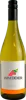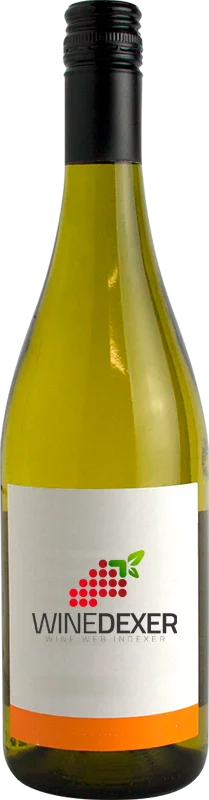
Winery MantellassiAnsonica Costa dell'Argentario
 White wine


In the mouth this white wine is a powerful with a nice freshness.
This wine generally goes well with vegetarian, appetizers and snacks or lean fish.

Taste structure of the Ansonica Costa dell'Argentario from the Winery Mantellassi
Light | Bold | |
Dry | Sweet | |
Soft | Acidic |
In the mouth the Ansonica Costa dell'Argentario of Winery Mantellassi in the region of Tuscany is a powerful with a nice freshness.
Food and wine pairings with Ansonica Costa dell'Argentario
Pairings that work perfectly with Ansonica Costa dell'Argentario



Original food and wine pairings with Ansonica Costa dell'Argentario


The Ansonica Costa dell'Argentario of Winery Mantellassi matches generally quite well with dishes of pasta, vegetarian or appetizers and snacks such as recipes of chicken lasagna, cream and tuna quiche or cream of asparagus soup in verrines.
Details and technical informations about Winery Mantellassi's Ansonica Costa dell'Argentario.
Discover the grape variety: Herbemont
Simple whites or rosés with the typical foxy taste of a hybrid, a pale golden to rosé robe, a supple palate and preserved acidity, with aromas of red fruits, raspberry, flowers and herbal notes. Phylloxera-resistant. One of the six hybrids banned in France since 1935 (alongside Clinton, Jacquez, Noah). Still present in heritage gardens of the South-West and Cévennes. American hybrid derived from Vitis aestivalis, discovered around 1810 by Nicholas Herbemont.
Last vintages of this wine

The best vintages of Ansonica Costa dell'Argentario from Winery Mantellassi are 2019, 2015, 2014, 0 and 2017.
Informations about the Winery Mantellassi
The Winery Mantellassi is one of of the world's great estates. It offers 29 wines for sale in the of Tuscany to come and discover on site or to buy online.

The wine region of Tuscany
Kingdom of Sangiovese: upright reds with cherry, plum, dried herbs and leather, lively acidity and firm tannins. Fleshy, food-friendly Chianti Classico DOCG, deep long-ageing Brunello di Montalcino (spice, tobacco, ripe black fruit), elegant Vino Nobile di Montepulciano. On the coast, Bolgheri crafts the opulent Cabernet- and Merlot-based 'Super Tuscans'. Some fresh white Vernaccia.
The word of the wine: Maceration
Prolonged contact and exchange between the juice and the grape solids, especially the skin. Not to be confused with the time of fermentation, which follows maceration. The juice becomes loaded with colouring matter and tannins, and acquires aromas. For a rosé, the maceration is short so that the colour does not "rise" too much. For white wines too, a "pellicular maceration" can be practised, which allows the wine to acquire more fat.