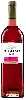
Winery MallofréEsmerinda
 Pink wine



This wine generally goes well with
Details and technical informations about Winery Mallofré's Esmerinda.
Discover the grape variety: Alphonse Lavallée
Alphonse Lavallée noir is a grape variety that originated in France. It produces a variety of grape used for wine making. However, it can also be found eating on our tables! This variety of grape is characterized by large bunches and large grapes. Alphonse Lavallée noir can be found in several vineyards: South-West, Cognac, Bordeaux, Rhône valley, Languedoc & Roussillon, Provence & Corsica, Loire valley, Savoie & Bugey, Beaujolais.
Last vintages of this wine
The best vintages of Esmerinda from Winery Mallofré are 0
Informations about the Winery Mallofré
The Winery Mallofré is one of of the world's greatest estates. It offers 2 wines for sale in the of Catalogne to come and discover on site or to buy online.

The wine region of Catalogne
Catalonia (Catalunya in Catalan and Cataluña in Spanish) is an autonomous community in the Northeast of Spain. It extends from the historic county (comarca) of Montsia in the South to the border with France in the north. The Mediterranean Sea forms its eastern border and offers 580 km of coastline. The Catalunya D.
The word of the wine: Consistency
In tasting, it is the equivalent of chewing (the chewiness of a tannic red wine is also mentioned). We then speak of firmness, fluidity, softness, hardness, and why not the crunchiness of an early wine by reference to the grape.