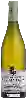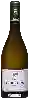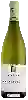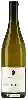
Winery M. DuperrayPouilly Fuisse
 Other wine
This wine generally goes well with poultry, beef or veal.

Food and wine pairings with Pouilly Fuisse
Pairings that work perfectly with Pouilly Fuisse



Original food and wine pairings with Pouilly Fuisse

The Pouilly Fuisse of Winery M. Duperray matches generally quite well with dishes of pasta, vegetarian or cured meat such as recipes of chinese fried shrimp ravioli, cream and tuna quiche or homemade marengo veal.
Details and technical informations about Winery M. Duperray's Pouilly Fuisse.
Discover the grape variety: Sercial
Vivid and nervy fortified whites with an amber-golden robe, taut mouthfeel and sharp acidity, with signature aromas of candied citrus, lemon, almond, green walnut, orange peel, honey and evolved oxidative notes with a characteristic bitter finish. Exceptional ageing potential (centuries). Star of the dry Madeira style, the most nervy of the four Madeira DOP styles. An autochthonous Portuguese variety of Madeira, signature of dry Madeiras.
Informations about the Winery M. Duperray
The Winery M. Duperray is one of of the world's greatest estates. It offers 4 wines for sale in the of Mâconnais to come and discover on site or to buy online.

The wine region of Mâconnais
Southern Burgundy between Tournus and Saint-Vérand, semi-continental climate with southern influences. Chardonnay signature as king white (~85%): round and sunny with notes of yellow apple, pear, candied citrus, white flowers, hazelnut butter and a limestone mineral touch — exceptional value. Pouilly-Fuissé at the peak (Premier Cru since 2020) with power and ageing, more taut Saint-Véran and Viré-Clessé, accessible Mâcon-Villages. Supple Gamay and fine Pinot Noir as complement.
The wine region of Burgundy
Absolute reference for great terroir wines: opulent, mineral Chardonnay in whites (chiselled Chablis, buttery Meursault, majestic Montrachet), fine and silky Pinot Noir in reds (full-bodied Gevrey, structured Pommard, delicate Volnay). Exceptional age-worthy wines with complex notes - red fruits, undergrowth, butter, hazelnut. Some lively Aligoté and light Gamay (Mâconnais). 29,500 ha, 84 tiered AOCs (Régionale, Village, 1er Cru, Grand Cru), 1,247 UNESCO Climats.
The word of the wine: Heavy
Said of a thick, rustic wine that lacks finesse.