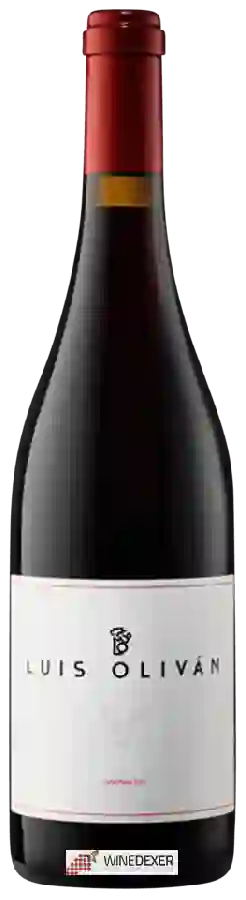
Winery Luis OlivánGarnacha
 wine
wine
This wine generally goes well with
The Garnacha of the Winery Luis Oliván is in the top 0 of wines of Campo de Borja.

Details and technical informations about Winery Luis Oliván's Garnacha.
Discover the grape variety: Pinella blanca
Dry, fresh and lively whites with a pale golden robe, supple palate and preserved acidity; discreet aromas of white-fleshed fruits (apple, pear), white flowers and subtle herbal notes. Also made as a local sparkling wine. Confidential in the Treviso province, lending itself to a few heritage Venetian blends. Autochthonous white grape of Veneto, cultivated in confidential quantities.
Last vintages of this wine


The best vintages of Garnacha from Winery Luis Oliván are 2018, 0
Informations about the Winery Luis Oliván
The Winery Luis Oliván is one of of the world's greatest estates. It offers 4 wines for sale in the of Campo de Borja to come and discover on site or to buy online.

The wine region of Campo de Borja
DO of Aragon at the foot of Moncayo, nicknamed the 'Empire of Garnacha' (~60% of the vineyard, plantings since 1145). Grenache as a generous, fruity red: signature notes of ripe cherry, raspberry, plum, garrigue, sweet spices and a peppery touch, round tannins and a sunny palate — old vines aged 30-50 years. Supple Tempranillo, firm Mazuelo, Cabernet and Syrah round things out. Whites Macabeo, Chardonnay, Moscatel.
The wine region of Aragon
Autonomous community of northeast Spain, historic kingdom of Iberian red Grenache (~75%). Signature Garnacha: generous and sun-drenched with signature ripe cherry, crushed strawberry, garrigue, kirsch, sweet spice and a balsamic touch, round tannins and a warm, alcoholic palate. 4 major DOs: Cariñena the largest (old vines), Calatayud high-altitude, Campo de Borja and Somontano at the Pyrenean foothills. Fresh Macabeo and Garnacha blanca whites.
The word of the wine: Thermoregulation
Control of the vinification temperatures (by circulating hot or cold water on the walls of the vats, for example). This is a major step forward, which in particular helps to preserve the freshness of the aromas threatened by excessive temperature rises during fermentation.