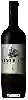
Winery LowerlandHerd Sire Reserve
 Red wine


This wine generally goes well with
The Herd Sire Reserve of the Winery Lowerland is in the top 10 of wines of Central Orange River.

Details and technical informations about Winery Lowerland's Herd Sire Reserve.
Discover the grape variety: Carcajolo Nero
Light, fruity reds with a clear ruby robe, smooth tannins and an airy palate with preserved acidity. Signature aromas of red fruits (cherry, raspberry), Mediterranean herbs (thyme, rosemary) and island garrigue notes. Airy profile, best drunk young. Features in Vin de Corse AOC and IGP Île de Beauté blends, preserved for its insular heritage value. Native Corsican black grape, grown on a few hectares in Corse-du-Sud.
Last vintages of this wine
The best vintages of Herd Sire Reserve from Winery Lowerland are 0
Informations about the Winery Lowerland
The Winery Lowerland is one of of the world's greatest estates. It offers 8 wines for sale in the of Central Orange River to come and discover on site or to buy online.

The wine region of Central Orange River
South Africa's northernmost Cape region along the Orange River, hot and dry semi-desert climate, irrigated vineyards on alluvial soils. Chenin Blanc and Colombard are signature king whites — generous profiles with stone fruit, pineapple, white flowers and a honeyed touch, freshness preserved. Chardonnay and Sauvignon Blanc as fresh complements. Pinotage signature king red with blackberry, plum and a smoky note.
The wine region of Northern Cape
South Africa's most northerly wine region along the Orange River (650 km north of Cape Town, edge of the Kalahari), hot semi-desert climate, river irrigation. Chenin Blanc and Colombard signature whites: full and crisp with citrus, tropical fruits, yellow apple and honey hints, acidity preserved by cool nights. Hanepoot (Muscat) in floral sweet styles. Shiraz, Pinotage and Cabernet in sun-drenched reds.
The word of the wine: Chaptalization
The addition of sugar at the time of fermentation of the must, an ancient practice, but theorized by Jean-Antoine Chaptal at the dawn of the 19th century. The sugar is transformed into alcohol and allows the natural degree of the wine to be raised in a weak or cold year, or - more questionably - when the winegrower has a harvest that is too large to obtain good maturity.